Detailing Guides
Videos, articles, infographics and more on washing, polishing and ceramic coating.

Matte Finish Care
Articles and vides on how to maintain a matte finish car in its original appearance.


Forget “how to”. If you’re new to car washing, “how should” is the question you need to be asking. That’s because there’s no one “right” way to wash a car — how you approach it depends on your situation.
How often you wash your car is based on how often you drive your car. After all, driving your car is how it gets dirty. Choose your regimen based on how often your car is driven.


|
Daily Driver: Every 2 Weeks
Cars driven daily should be washed every two weeks at the very least. This helps prevent road film build-up and permanent etch marks from bonded contaminants.
|

|
Garage Queen: As-Needed
If you’re not driving your car regularly, washing too often will inflict micro-scratches called swirl marks. Just wash as-needed, and only use a quick detail spray for dust removal.
|
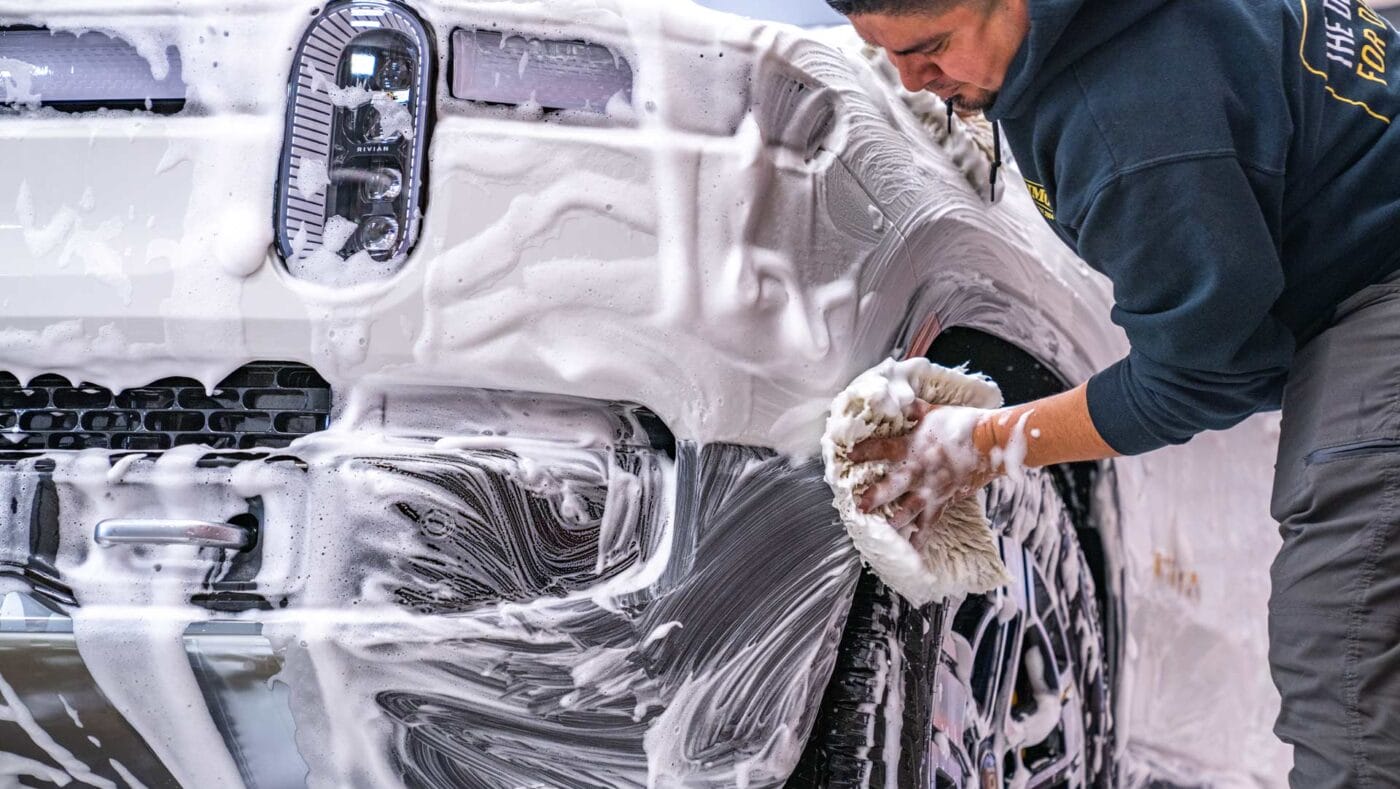
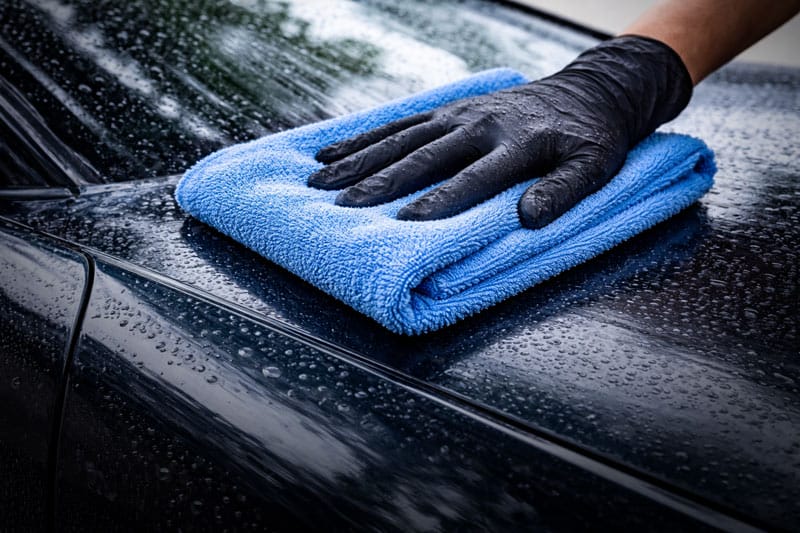
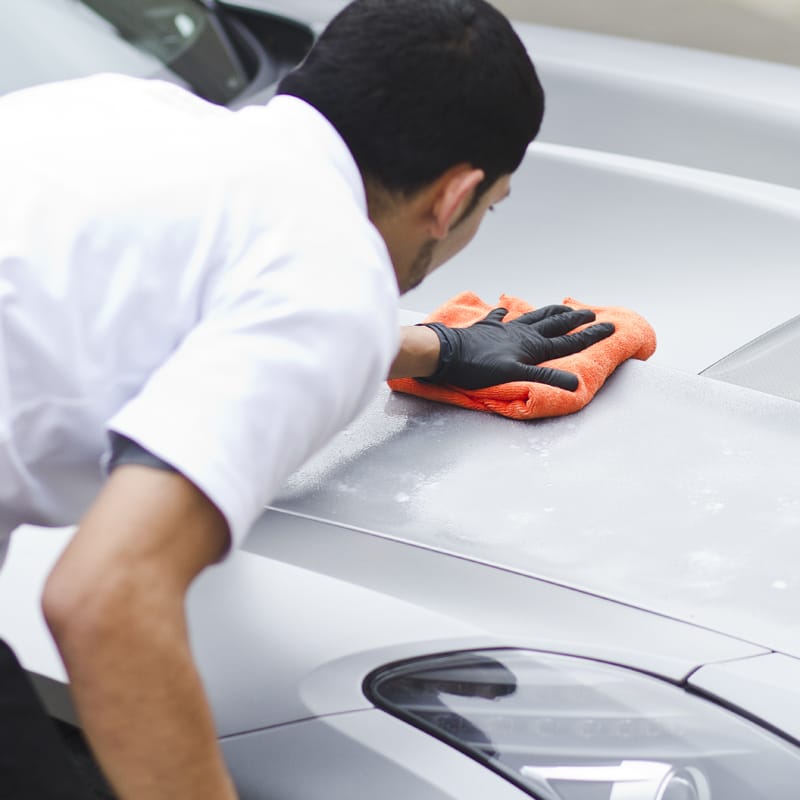
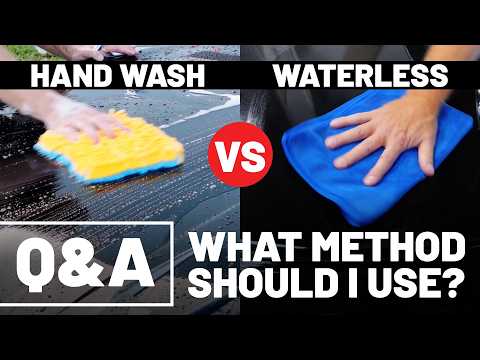
There are a few different ways to wash your car, based on what supplies you have and how dirty your car is. Choose the option that best first your car’s situation.
Not all car wash soaps are the same. Generally speaking, pH-balanced soaps are best as they don’t strip protection or stress the paint with harsh chemicals. There are also different soaps for different types of paint, like matte finishes. Check out the main options here.

Doesn’t require any equipment besides buckets, a hose and some wash mitts. The only con? Mitts are required to transfer soap to the paint, so you can’t do a truly “contact-free” pre-soak and rinse.
Attaches to a garden hose, which makes it more accessible to DIYers without pressure washers. Doesn’t produce as much foam as a cannon.
Requires a pressure washer, so there is some initial investment. But the results pay for themselves with mountains of thick suds coming out fast.
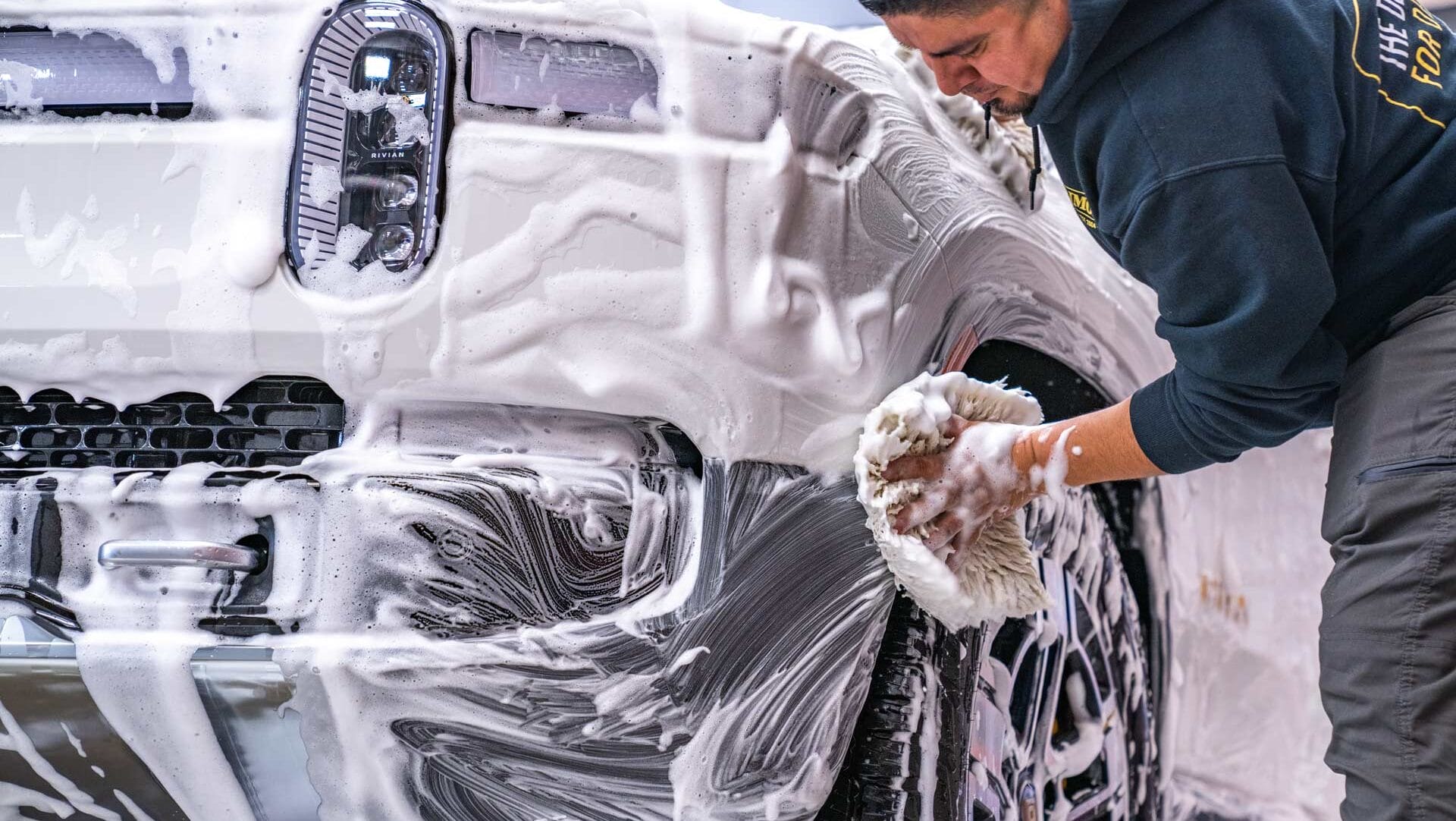
You may have seen people in videos using foam guns and cannons to coat their vehicle in a thick layer of soapy suds. Foam guns and cannons are great for low contact washes, but they’re not an absolute necessity. Here are the pros and cons.

You’ve got your soap and method down. But what should you use to actually agitate the suds and dry off the rinse water? And what’s the best technique for doing so? The trick is to minimize friction with the paint. Here’s how you do it.
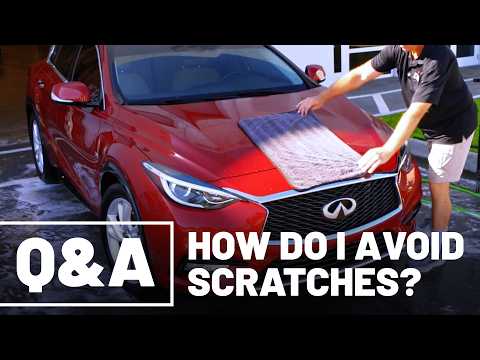
Don’t use rough sponges or dish rags that can scratch the paint. Look for mitts and towels made with microfiber or other soft materials.
Look for bits of leaves, twigs and other debris and remove with a tweezer. Store your towels and mitts in an enclosed area when not in use to keep them clean.
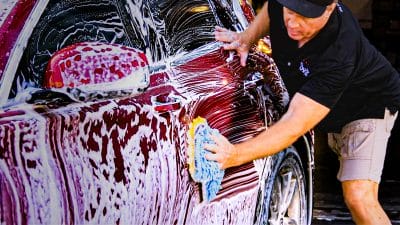
Circular scrubbing scratches the paint. Wipe gently in straight lines to avoid micro-scratch patterns called swirls that become visible in the sunlight.
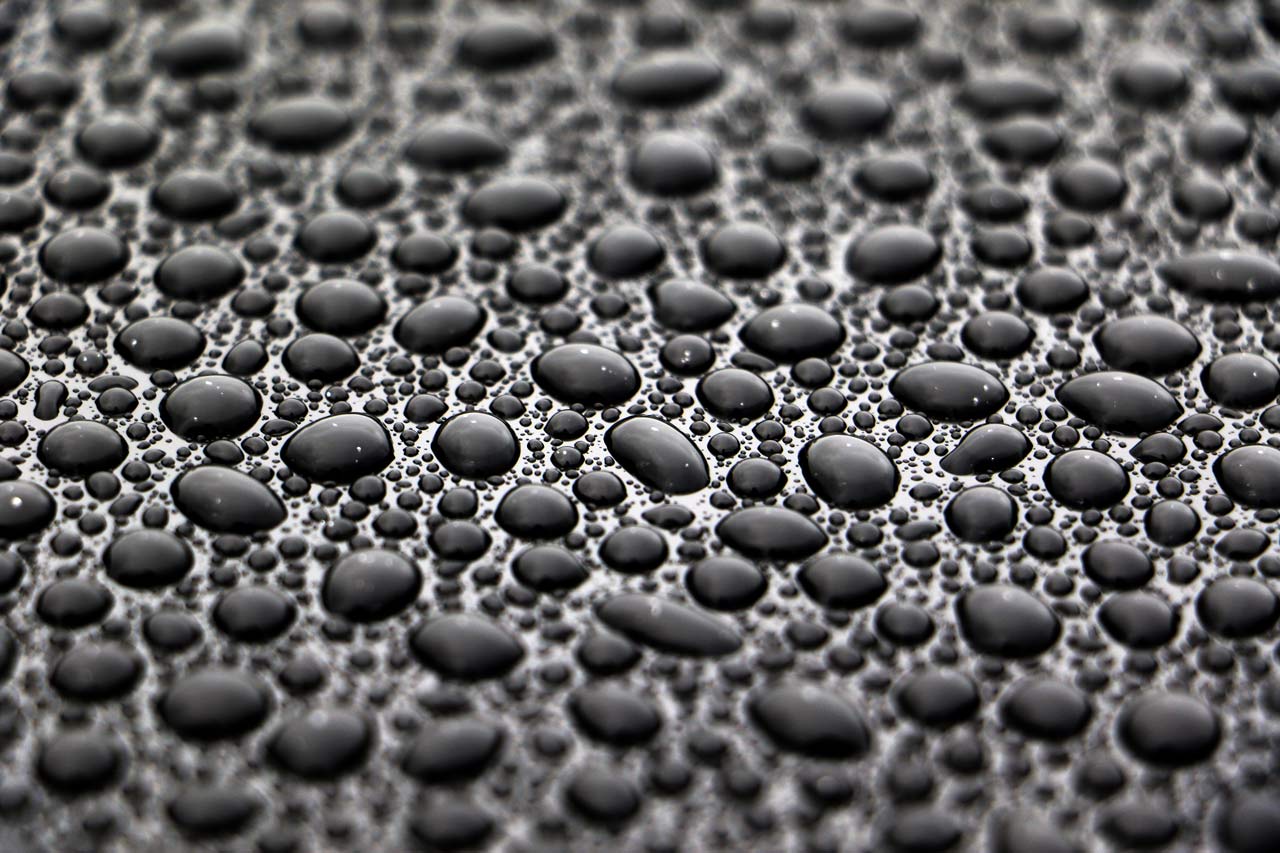
Soaps formulated with waxes, oils, and silicones to increase gloss or add temporary protection can disrupt the water beading effect.
Don’t got straight into agitating the suds with a wash mitt. Start by letting foam dwell on the vehicle to loosen contaminants, then rinse.
Electric blowers (often used for landscaping) are great for touch-free drying on ceramic coated cars. Otherwise, soft drying towels are recommended.
Ceramic coatings make washing your car a lot easier, so you don’t need a super powerful soap and aggressive agitation to get the paint clean. Just stick with a pH-balanced soap with active surfactants that loosen contamination.

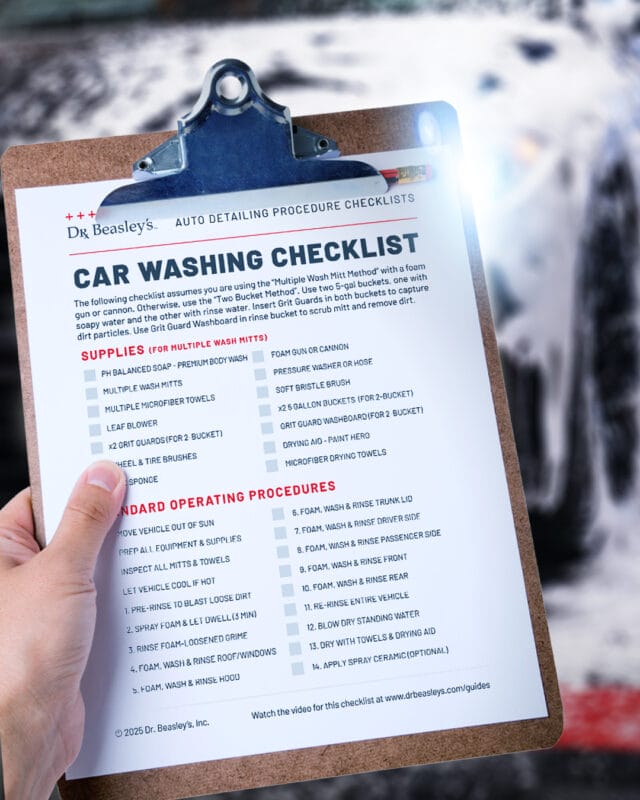
Take the guesswork out! Enter your email and get three PDF checklists for each hand wash method: Two Bucket Wash, Foam Gun/Cannon Wash and Waterless Wash.