Detailing Guides
Videos, articles, infographics and more on washing, polishing and ceramic coating.

Matte Finish Care
Articles and vides on how to maintain a matte finish car in its original appearance.


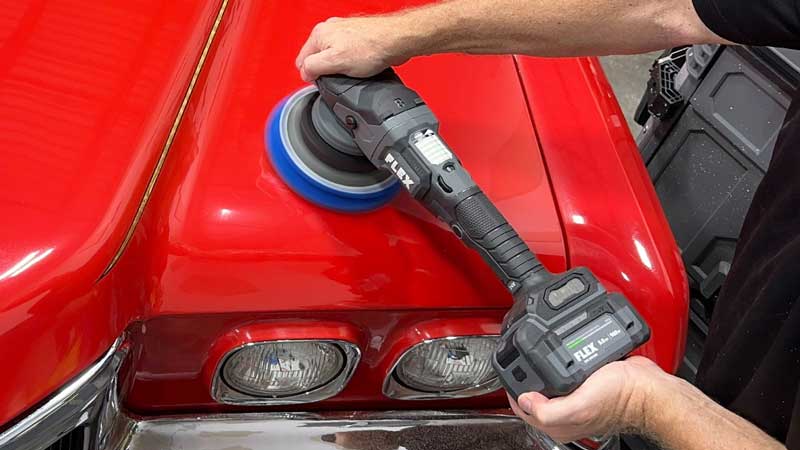
Polishing your own car is easier than it looks, but it’s also not something you should approach casually. Use this guide to determine whether polishing is right for you, and what the best approach will be.
If your car looks dull, scratched, or just doesn’t “pop” the way it used to, you might be wondering if it needs polishing. After all, isn’t that how you make a car look shiny? The truth is, not every car needs to be polished. Here’s what to look for if you’re not sure.
Download PDF Checklist




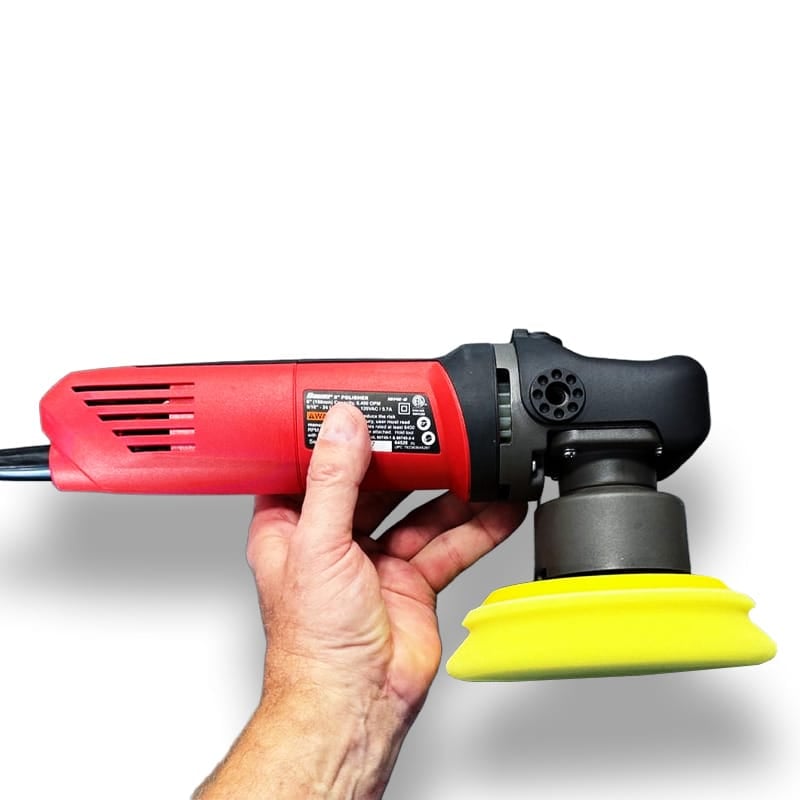
One of the biggest mistakes beginners make is grabbing the most aggressive pad and polish they can find and going straight to work. In reality, the smartest way to polish your car is to start with a test spot and let the paint tell you what it needs.
Download PDF Checklist
One of the biggest mistakes beginners make is grabbing the most aggressive pad and polish they can find and going straight to work. In reality, the smartest way to polish your car is to start with a test spot and let the paint tell you what it needs.
Download PDF Checklist
Start with a small section of paint on a flat surface. Use a medium pad and polish to test the paint and see if the defects can be removed.
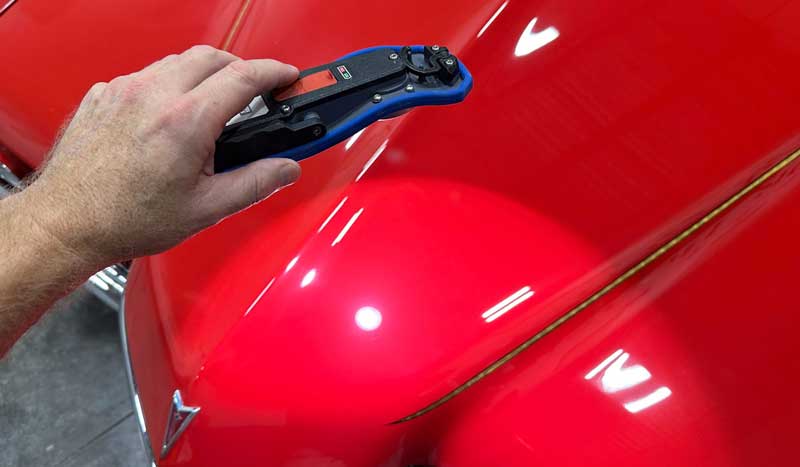
Check your results with an inspection light to see if the polish and pad removed the defects. If not, try a more aggressive pad or polish.
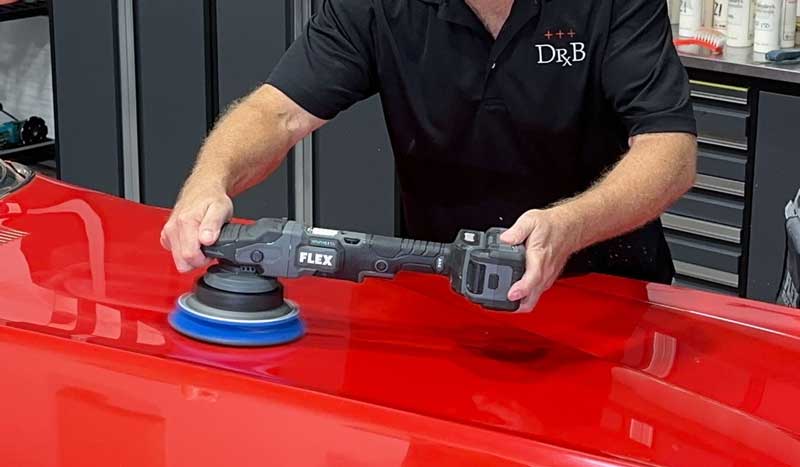
Once you’ve “dialed-in” a process that you know will remove the defects, you can repeat it across the rest of the vehicle with total confidence.
If you don’t protect your paint after you polish it, you’ll lose all your hard work quickly. But don’t blindly grab for a can of wax out of habit — there are much better and longer lasting options available these days.
Download PDF Checklist
Enter your information below to get one (or all!) of our PDF checklists, charts and guides for polishing your own car at home.