


Last Updated June 23, 2026
If you’ve just washed your car or left it outside during rain, you may notice orange rust on your brake rotors. It can look alarming, especially if the rest of the car is clean.
So is rust on brake rotors bad? Or is it just a normal part of owning a car?
In most cases, light orange rust on brake rotors is normal. If it is only a thin surface film from rain, humidity, or washing, it will usually go away the next time you drive and use the brakes.
That said, not all rotor rust should be ignored. There is a big difference between light surface rust and heavy corrosion. Light rust is usually harmless. Heavy rust, pitting, grinding, vibration, or weak braking is a brake-service issue.
This guide explains what causes rotor rust, when it is normal, when it is dangerous, and what you should do about it.
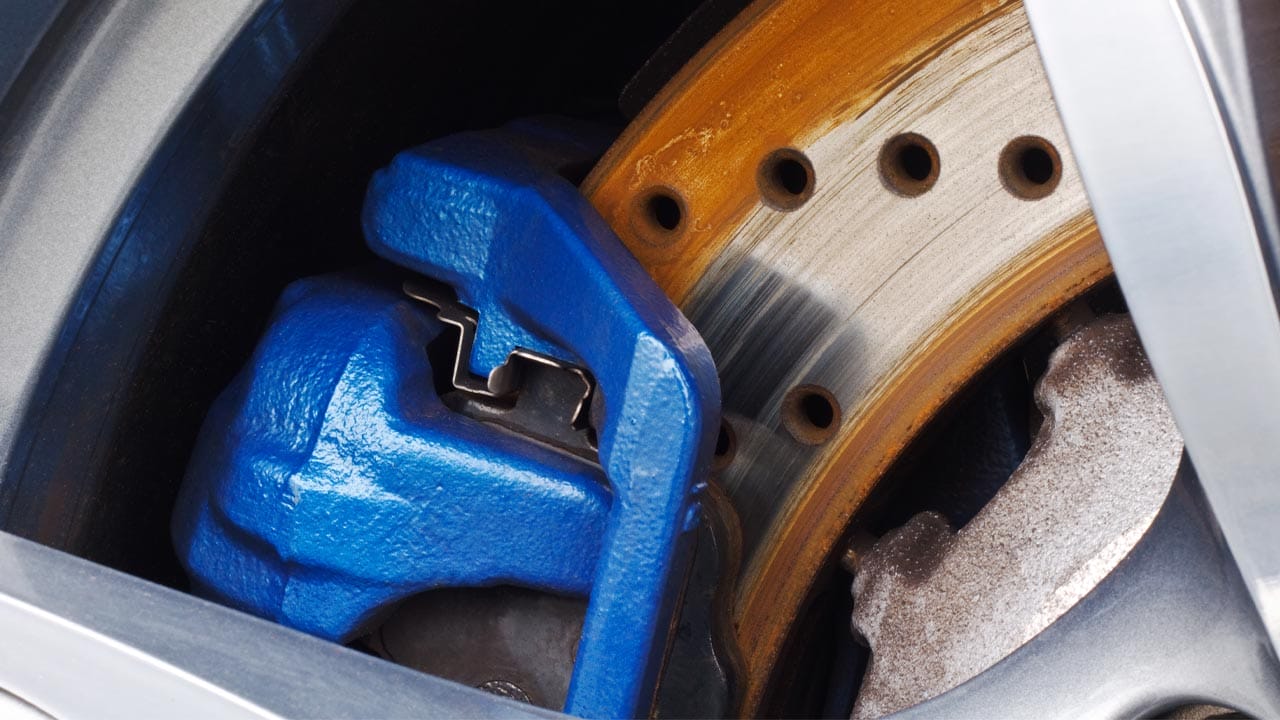
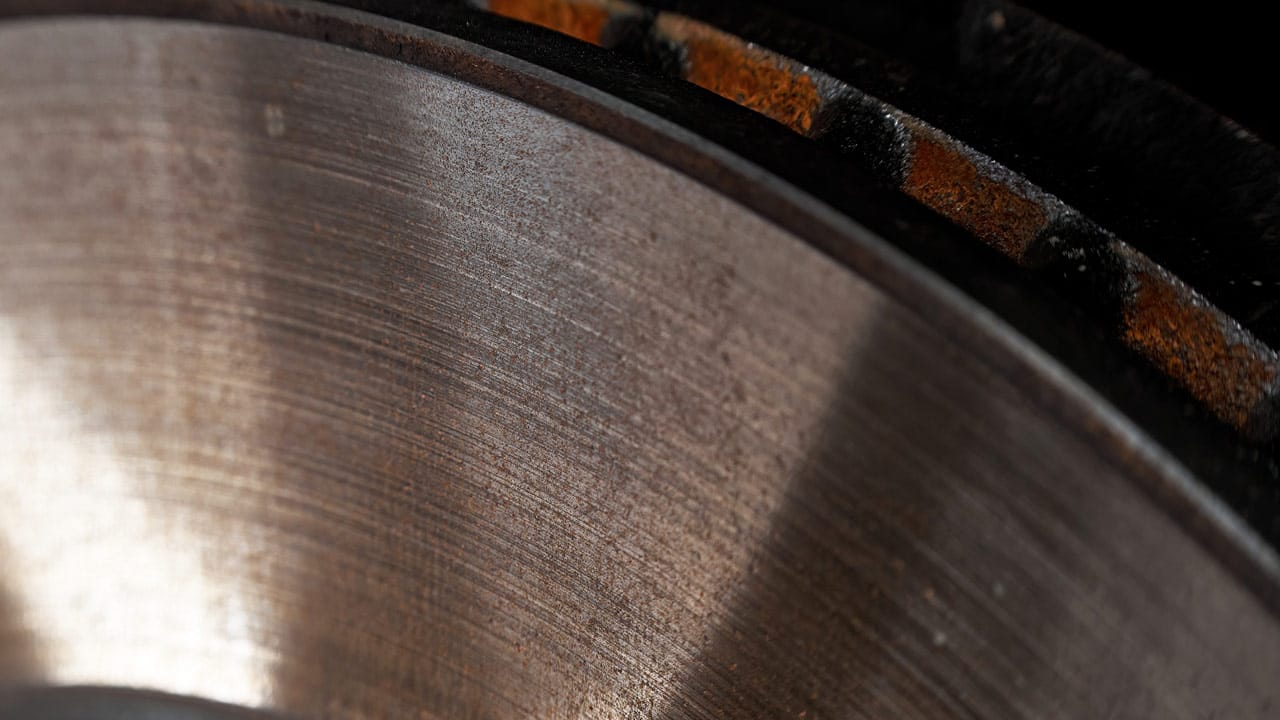
When you use the brakes, the pads clamp against the rotor and scrape light rust off the friction surface.
Why Do Brake Rotors Rust?
Most brake rotors are made from cast iron or an iron-based alloy. Iron rusts when it is exposed to oxygen and moisture. That is why rotors can turn orange after rain, humidity, snow, road salt, or a car wash.
The rotor face is bare metal because the brake pads need to create friction against it. That bare metal gives the brakes the stopping power they need, but it also means the surface can rust quickly when it gets wet.
This is why you may see rotor rust even on a clean, well-maintained vehicle. It does not mean you did anything wrong.
Common Causes of Rust on Brake Rotors
- Rain: Water sits on the rotor surface and creates a thin layer of orange rust.
- Humidity: Moist air can create light surface rust even if the car was not directly rained on.
- Car washing: Water from a wash can make rotors rust before the car is even dry.
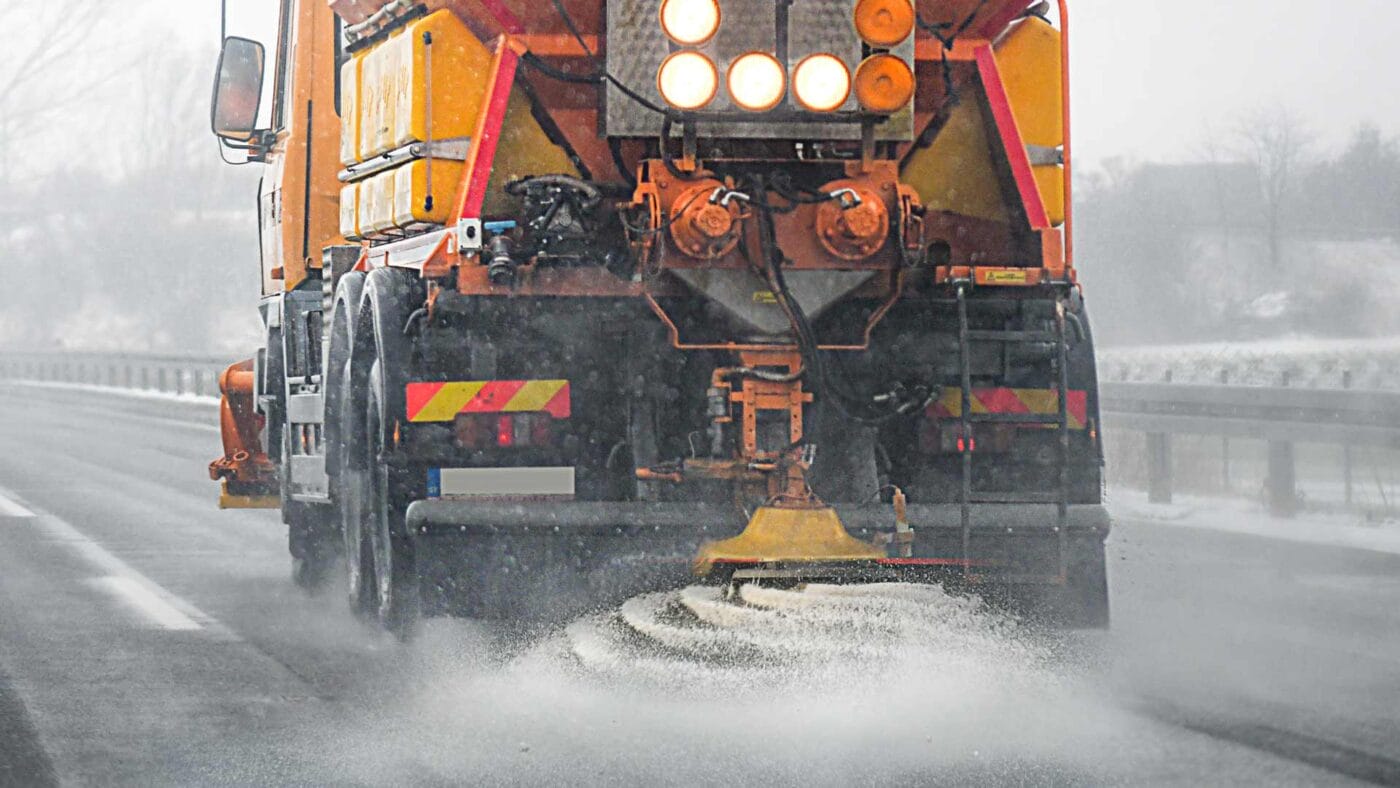
- Road salt: Salt speeds up corrosion, especially in winter climates.
- Long-term parking: If a vehicle sits for weeks or months, rust has more time to build up.
- Low brake use: Hybrids and electric vehicles may use regenerative braking more than friction braking, which can let rotor rust linger longer.
Salt speeds up corrosion, so rotor rust can appear faster after winter driving.
Is Rust on Brake Rotors Bad?
Sometimes yes, but usually no.
Light surface rust is usually not bad. If the rotor has a thin orange film after rain, humidity, or washing, normal braking usually removes it. The brake pads scrape the rust from the rotor face as you drive.
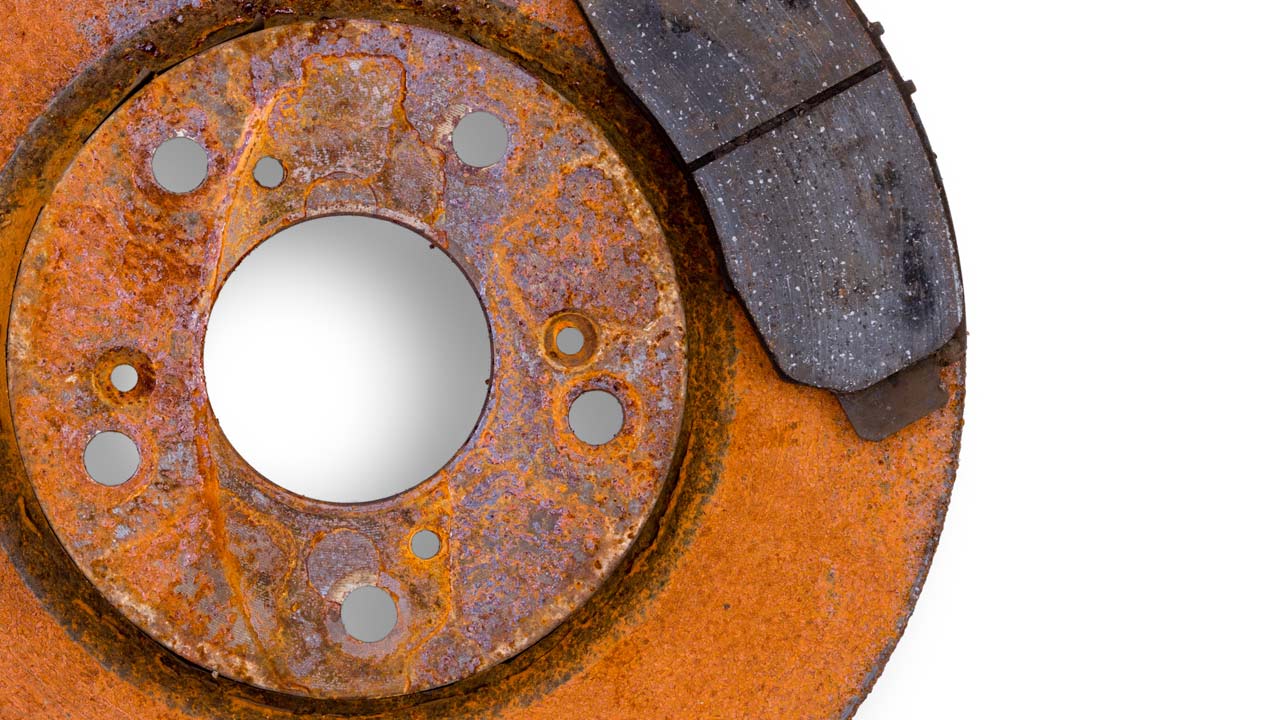
Heavy rust is different. If the rotor is pitted, grooved, flaking, noisy, or still rusty after normal driving, the brakes should be inspected. At that point, the issue is no longer just cosmetic.
Light orange rust after rain or washing is usually normal. Heavy rust, pitting, grinding, vibration, or weak braking is not.
Light Surface Rust vs. Heavy Rotor Rust
The easiest way to understand rotor rust is to separate it into two categories.
Light Surface Rust
Light surface rust is a thin orange film on the rotor face. It often appears after:
- A car wash
- A rainstorm
- A humid night
- A few days of sitting outside
This type of rust usually looks worse than it is. Once the car is driven and the brakes are used, the pads clean the rotor face.
Heavy Rust, Pitting, and Corrosion
Heavy rust is different. Heavy corrosion can make the rotor surface rough, pitted, or uneven. The brake pads may not contact the rotor smoothly, and the brakes may feel or sound wrong.
Have the brakes inspected if you notice:
- Grinding
- Squealing that does not go away
- Brake pedal vibration
- Steering wheel shake while braking
- Weak braking
- Deep grooves in the rotor
- Pitting on the friction surface
- Rust that remains after normal driving
- A vehicle that has been sitting for weeks or months
If you see those signs, do not treat the problem like ordinary exterior cleaning. Brakes are a safety system. Have the rotors, pads, calipers, and related hardware checked by a qualified technician.
How to Remove Light Rust From Brake Rotors
If the rust is only a light surface film from rain or washing, the best fix is simple: drive the car and use the brakes normally.
As the pads press against the rotor face, they scrape away the thin rust layer. This usually happens within a few stops.
Simple Method for Light Surface Rust
- Drive the car in a safe area.
- Use the brakes normally.
- Repeat a few gentle stops if needed.
- Check whether the rotor face looks clean and smooth again.
⚠️ Rust Affects the Wheel Face, Too
The common causes of rotor rust also cause rust on wheel faces, especially uncoated aluminum. Unlike with rotors, however, wheels can be protected with a ceramic coating to resist rust. Use our DIY Wheel Protection Decision Guide to get the wheel coating checklist so you don’t miss a step.
Go to Decision GuideDo not slam on the brakes in traffic to clean rusty rotors. Use normal braking in a safe place.
If the rust does not clear after normal driving, or if the brakes make noise, vibrate, pull, or feel weak, have the brakes inspected.
If normal braking does not clean the rotor face, stop treating the rust as a detailing issue. Have the brakes inspected.
What If the Car Has Been Sitting for a Long Time?
If the car sat for weeks or months, be more careful.
A thin layer of rust after one rainy night is one thing. A car that has been sitting for a long time may have deeper corrosion. The rotors may be pitted. The pads may be stuck. The calipers or slide pins may not move properly. The brake fluid may also need attention depending on the vehicle’s service history.
In that situation, do not assume the rust will disappear with one drive. Have the brakes inspected before putting the vehicle back into regular use.
Should You Clean Heavy Rust Off Rotors Yourself?
Usually, no.
If the rust is heavy enough that normal braking will not remove it, the rotor may need inspection, resurfacing, or replacement. Cleaning the outside of the rotor does not tell you whether the rotor is still safe to use.
A safe brake inspection may include checking:
- Rotor thickness
- Rotor runout
- Rotor pitting
- Grooves or scoring
- Brake pad thickness
- Caliper movement
- Brake hardware condition
- Brake fluid condition
That is why heavy rotor rust should not be handled like wheel grime or brake dust. If the rotor is pitted, badly grooved, below minimum thickness, or causing vibration, it may need to be replaced.
Do Not Apply Wheel Coatings or Dressings to Brake Rotors
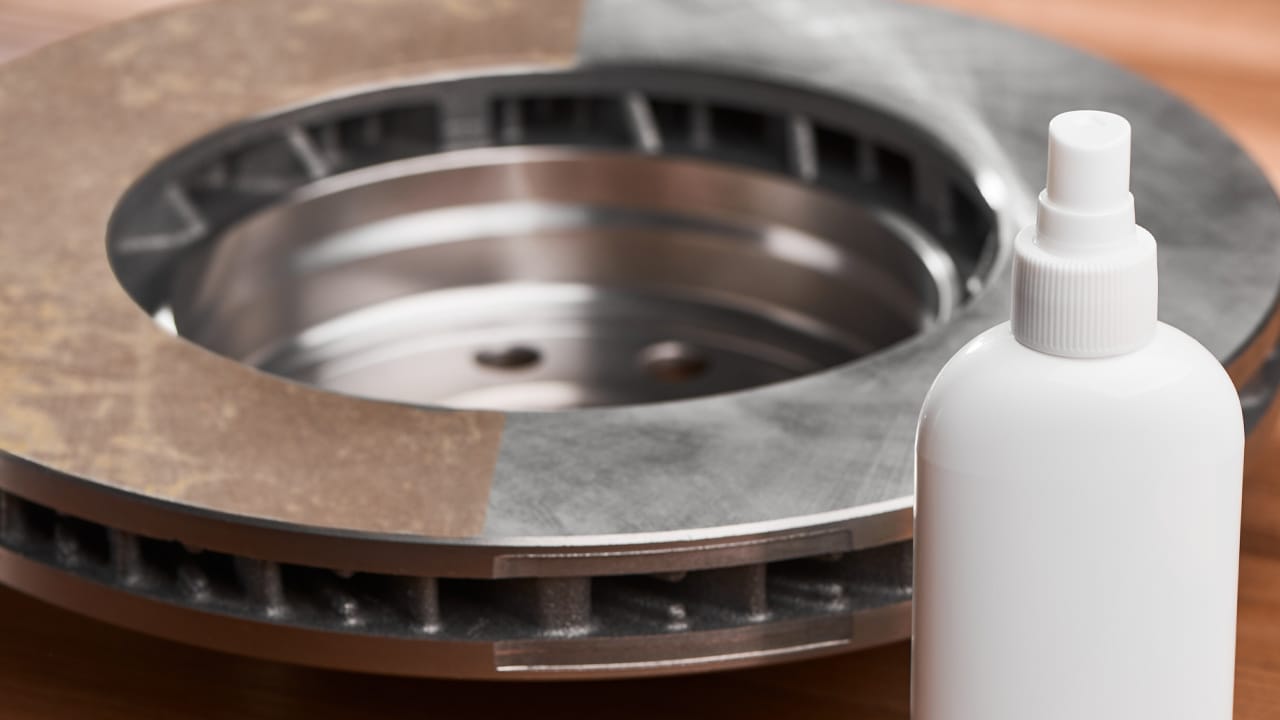
This is important: do not apply ordinary coatings, oils, dressings, waxes, sealants, or lubricants to the rotor friction surface.
The rotor face needs controlled friction. That is how the brake pads slow the vehicle. If you contaminate the rotor face or the friction side of the brake pad, you can reduce braking performance and create noise, vibration, or unsafe stopping behavior.
Only use a product on brake rotors if it is specifically labeled safe for brake rotor friction surfaces. If a product is meant for tires, wheels, paint, trim, or general corrosion protection, keep it off the braking surface.
If you accidentally get dressing, oil, wax, coating, or lubricant on the rotor face, do not ignore it. Clean the area properly or have the brakes inspected.
How to Prevent Rust on Brake Rotors After Washing
You cannot completely stop bare iron rotors from developing light surface rust. If the metal gets wet, it can rust.
But you can reduce how noticeable it is.
- Drive the vehicle after washing: A short drive with normal braking helps dry the rotors and clean light rust from the friction surface.
- Store the vehicle indoors when possible: A garage or covered area reduces direct exposure to rain and humidity.
- Wash road salt off regularly: Salt speeds up corrosion, especially around wheels, brakes, and suspension parts.
- Drive the vehicle regularly: Regular brake use helps keep the friction surface clean.
- Consider coated rotors when replacement time comes: Coated rotors can help reduce rust on non-braking surfaces like the rotor hat, vanes, and edges.
The key is not to panic every time you see light orange rust. On the friction surface, light rust is usually temporary. On non-braking surfaces, some rust may remain visible because the pads do not touch those areas.
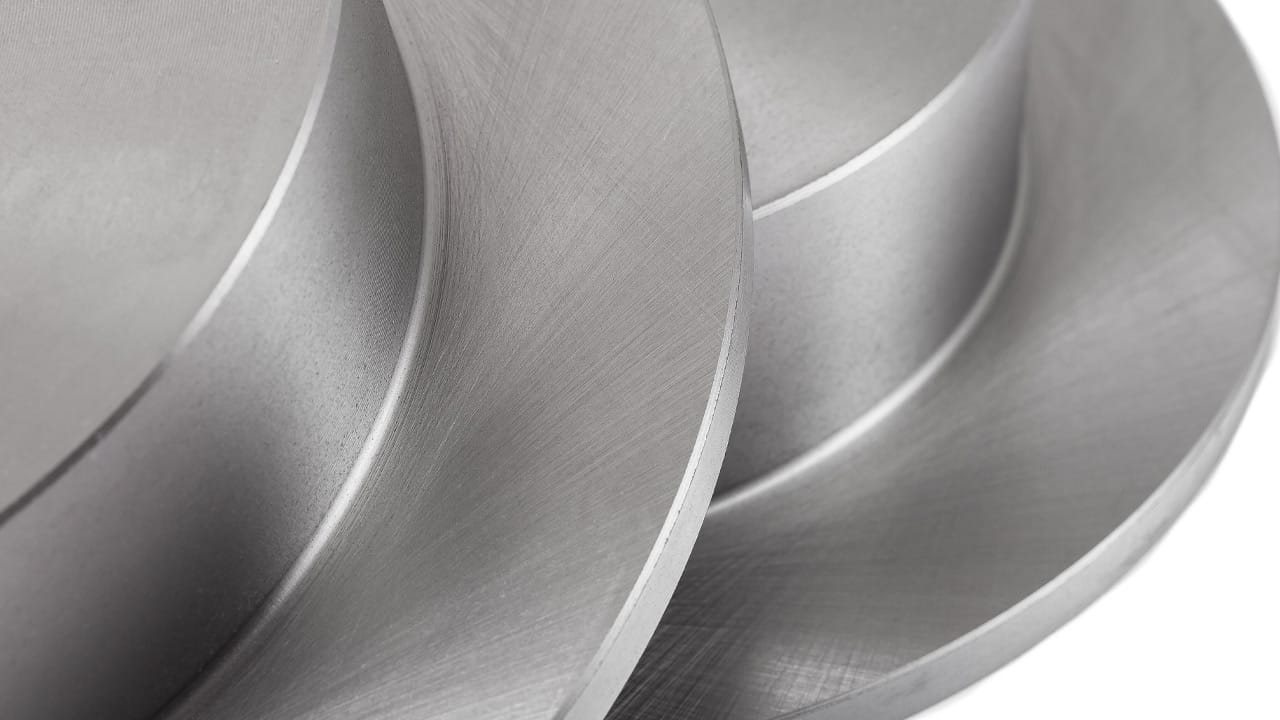
Are Coated Rotors Worth It?
Coated rotors can be a good choice if visible rust bothers you or if you drive in a wet or salty climate.
Many coated rotors are designed to protect the non-braking surfaces of the rotor, such as the hat, vanes, and outer edges. These are the areas that often stay rusty because the brake pads do not touch them.
The friction surface is different. Once the brakes are used, the pads wear through coating on the swept area so they can contact the rotor properly. That means even coated rotors can show light flash rust on the friction surface after rain or washing.
So coated rotors can reduce visible rust, but they do not make brake rotors immune to rust everywhere.
What About Electric Vehicles and Hybrids?
Electric vehicles and hybrids can develop rotor rust differently because they often use regenerative braking.
Regenerative braking uses the motor to slow the vehicle and recover energy. That means the conventional friction brakes may be used less often. Less friction-brake use can mean less pad contact on the rotor face. When the pads do not touch the rotor as often, rust may have more time to build up.
Some EVs and hybrids have brake-cleaning routines or manufacturer-specific recommendations. Follow the owner’s manual. If rotor rust persists, or if the brakes feel weak, noisy, or uneven, have the vehicle inspected.
Do not assume every EV or hybrid can be cleaned the same way. Braking systems vary by vehicle.
When Should Rusty Rotors Be Replaced?
Rust alone does not always mean the rotors need to be replaced. Light surface rust usually does not matter.
Replacement may be needed when the rotor is no longer smooth, thick enough, or safe to use.
Have the rotors inspected if you notice:
- Deep pitting
- Heavy rust that does not clean off with normal braking
- Grooves or scoring
- A large lip at the rotor edge
- Brake pedal pulsation
- Steering wheel vibration while braking
- Longer stopping distance
- Grinding or persistent squealing
- Rotor thickness near or below minimum specification
Rotors have a minimum thickness specification. If the rotor is below that specification, or if it would have to be cut below that specification to resurface it, it should be replaced.
If one rotor on an axle is replaced, the matching rotor on the other side is usually replaced as well. That helps keep braking balanced from side to side.
The Bottom Line
Light orange rust on brake rotors is normal. It often appears after rain, humidity, or washing. In most cases, normal braking removes it from the rotor face.
Heavy rust is different. If the rotors are pitted, grooved, noisy, vibrating, or still rusty after normal driving, have the brakes inspected. Do not try to solve a brake-system problem with ordinary detailing chemicals.
The simple rule is this:
If the rust is thin and disappears after normal braking, it is usually harmless. If it stays, feels rough, makes noise, or affects braking, get the brakes inspected.
Rotor rust is not always a crisis. But brakes are not an area for guesswork. Know the difference between harmless surface rust and corrosion that needs professional attention.
Frequently Asked Questions
Is rust on brake rotors normal?
Yes. Light rust on brake rotors is normal after rain, humidity, snow, or washing. The rotor face is bare metal, so it can rust quickly when wet.
Will driving remove rust from rotors?
Driving and using the brakes normally will usually remove light surface rust from the rotor face. If the rust does not clear, or if the brakes vibrate, grind, or feel weak, have them inspected.
Why do rotors rust after a car wash?
Brake rotors rust after a car wash because the rotor face is bare iron or iron-based metal. When water sits on that surface, a thin layer of orange rust can form quickly.
Should I spray a coating on my brake rotors?
Do not spray ordinary coatings, dressings, oils, waxes, sealants, or lubricants on the rotor friction surface. Only use products specifically labeled safe for brake rotor friction surfaces.
Can heavy rust ruin brake rotors?
Yes. Heavy rust can pit the rotor surface, cause uneven pad contact, create vibration, and reduce braking performance. If the rotor is pitted, grooved, or below minimum thickness, it may need replacement.
Do electric vehicles get rusty rotors?
Yes. Electric vehicles and hybrids can develop rotor rust because regenerative braking often uses the friction brakes less often. When the brake pads touch the rotors less, surface rust may not get scraped off as regularly.
My Granddaughters VW has not been driven for 3 years and the rotors are rusty, a friend told her not to worry just drive the car and the rust will go away, Grandpa says its dangerous to drive this way, her commute is 28 freeway miles each day. Your opinion please.
This is a very common question. As stated in the article, an easy way to remove the rust is to hit the brakes hard (in a safe environment such as a parking lot). The majority of cars on the road have rusted rotors, mostly because of moisture.
If you are worried about the condition of the rotors, take the car to your local mechanic and get them measured. It might be time for new ones, or it just might be time for the above suggestion.
“USE anti-rust oil!” – can you believe an idiot did that?
I don’t drive much, especially in inclement weather, but when I did, I heard the brakes squeal. Last time it was pretty loud. At first I thought it must be the ceramic pads I had installed last May, but you’re saying it’s rotors. I own my bug a couple of years, the rotors were replaced about 2 yrs ago and this is happening only now. You still think it’s rotors? Is there a way to prevent this in the future?
There are many reasons a brake could squeal. My guess is the new ceramic pads don’t match up with the rotors. Because they wear into rotors, when you get new brake pads they won’t exactly match the wear of your old brake pads. This leads to them rubbing the rotor, hence the squealing noises. I would advise getting new rotors and then making sure you brake them in immediately by applying the brake at moderate speed 10-20 times.
Thank you so much! A short drive of rush hour braking cleared the rust right off!
Looking at my wheels from the outside i see nothing but every surface that appears to the untrained eye almost covered in rust more so on the front than the rear . The car has only 28,000 miles and i bought it from a dealer who purchased it from a rental company . The car is a 19 rogue.
Yeh, common with VWs. More pressure is applied to the rear to keep the car from dipping forward on a hard stop; it’s why the rear pads and rotors wear sooner and to me, are the more difficult to replace.
I have a 96 Vw golf gti and my driver side rotor is a little rusty because it sat out for a couple days soo I just drove mu car yesterday for the first time In a couple weeks and it makes this like ticking sound I feel like it’s the breaks touching the rust soo it’s making that noice should I just break on and off too grind the rust off or will that noice go away
It is not unusual for the brake rotors to corrode while the vehicle sits stationary. The corrosion can be knocked off the rotors by simply using them, as we wrote in the blog post above. However, if there is a persistent “sound” that you notice even after several miles of driving then perhaps it is time for a visit to your mechanic.