Detailing Guides
Videos, articles, infographics and more on washing, polishing and ceramic coating.

Matte Finish Care
Articles and vides on how to maintain a matte finish car in its original appearance.
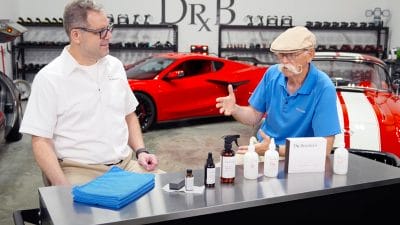


Polishing may seem like hard work, but it’s essential to ensure ceramic coatings bond properly and that no unwanted defects are locked underneath the coating.
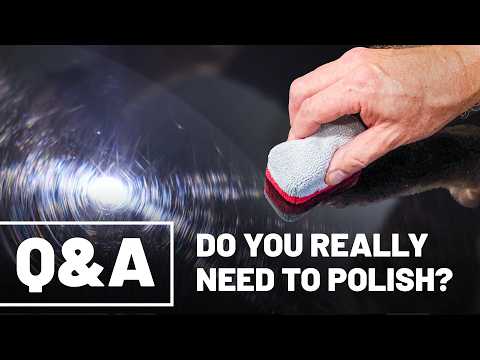
Polishing is an essential prep step that removes swirls, scratches, and water spots that would otherwise be locked in under the ceramic coating, while also ensuring a pristine paint surface for a durable bond. But you don’t need to polish endlessly in pursuit of perfection. Often, a simple one-step procedure is sufficient, even for professional-grade coatings.
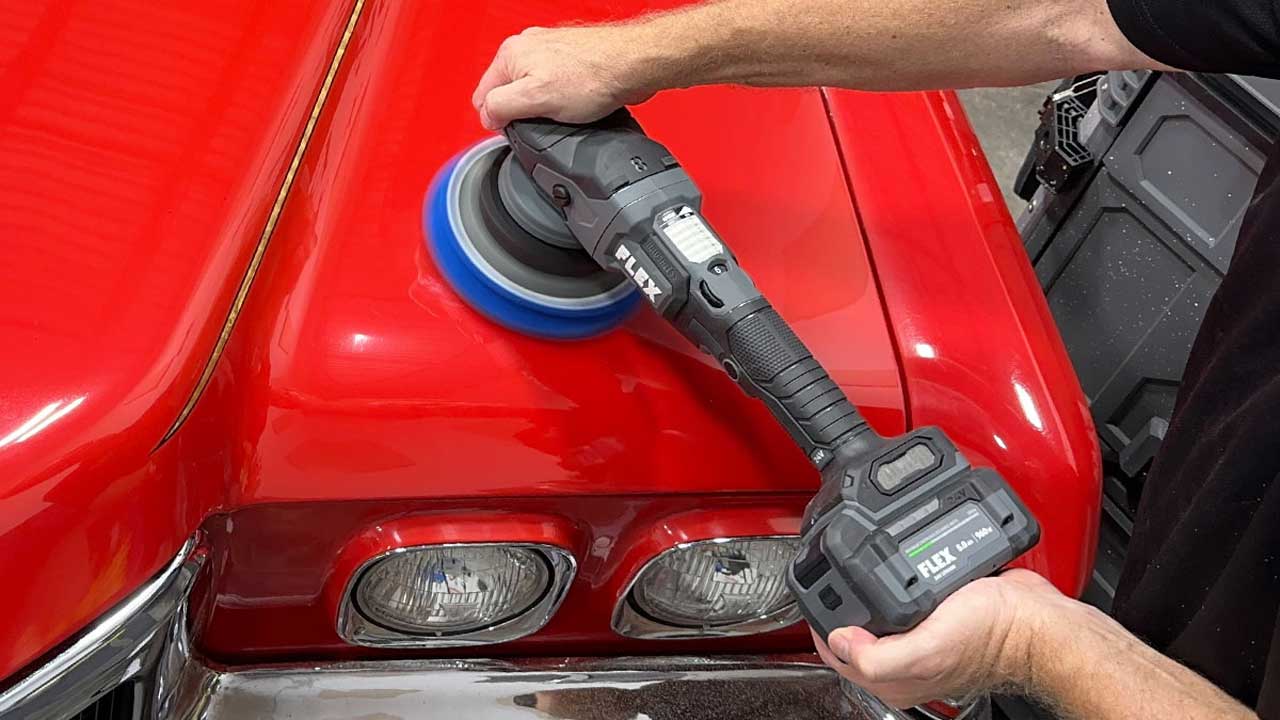
Skipping the polishing step can negatively affect the appearance of the coated paint finish while also risking premature coating failure.
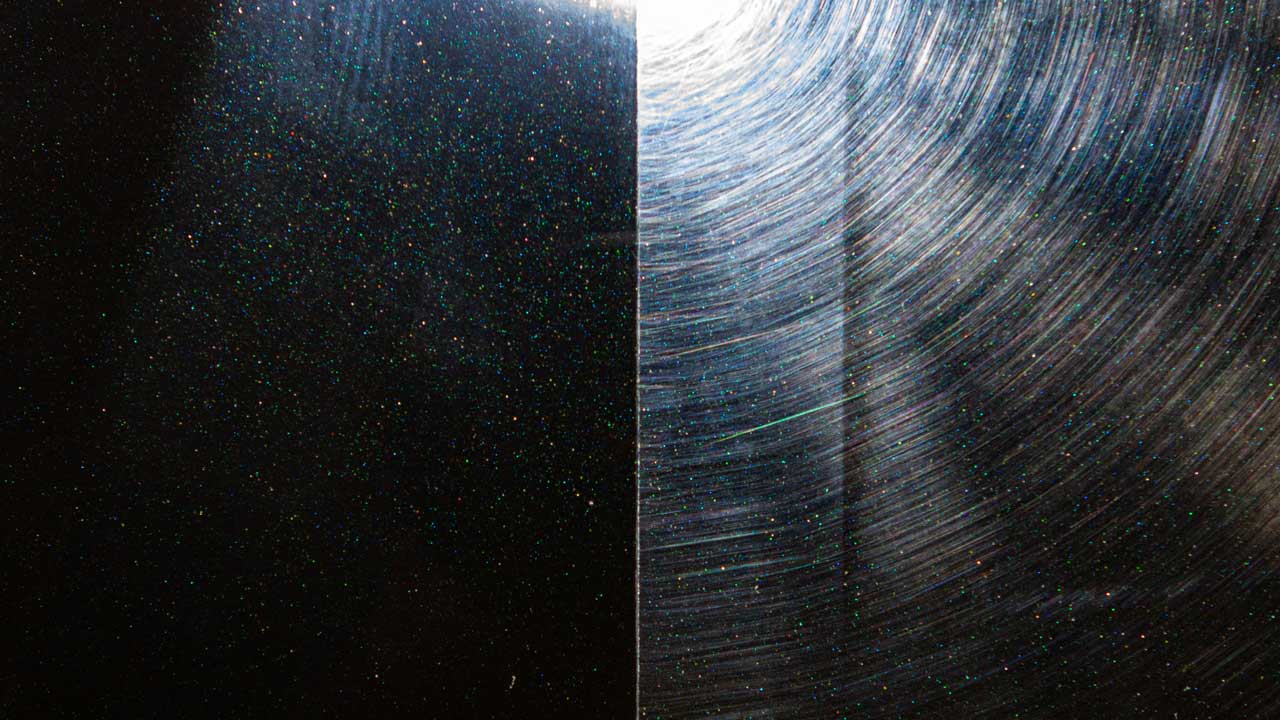
Ceramic coatings preserve the appearance and condition of the paint at time of application. Any defects not removed will be visible underneath the ceramic coating.
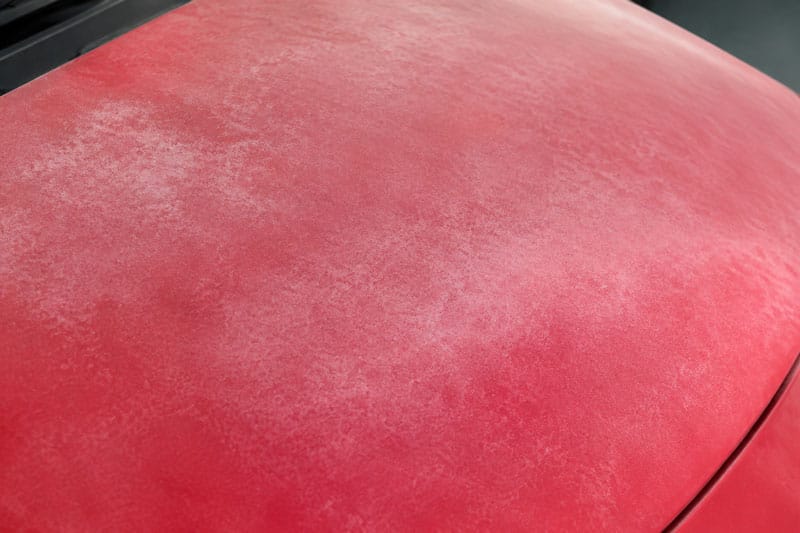
Polishing removes the oxidation that dulls a paint’s surface and restores reflectivity. Failing to polish therefore negates the gloss-enhancing properties of a ceramic coating.
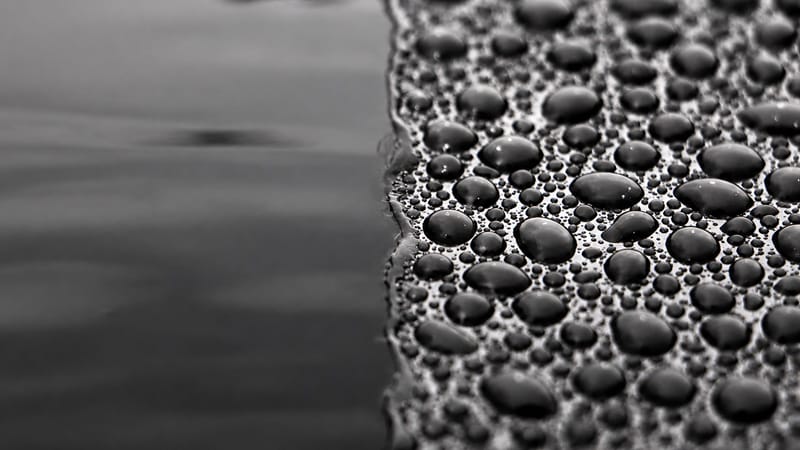
Polishing is needed to fully decontaminate a paint’s surface. Contaminants trapped underneath the coating prevent it from bonding evenly with the paint, risking premature failure.
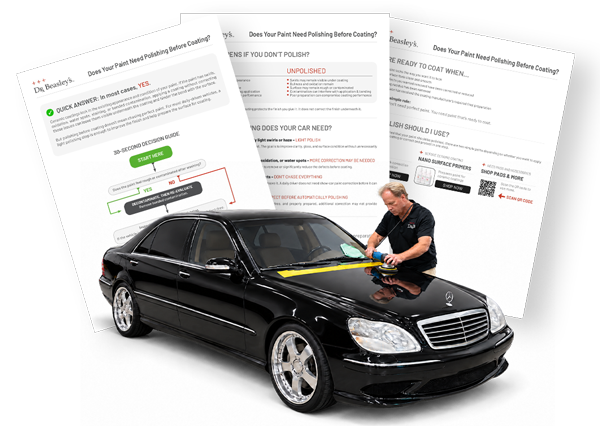
Free Printable Decision Tool
Use the decision guide to determine whether it needs light polishing or more intensive defect correction before coating. This guide helps you:
 Identify the defects and bonded contamination that should be addressed
Match the paint’s condition to the appropriate level of polishing
Avoid unnecessary correction—or applying a coating over an underprepared surface
Free PDF · Printable · Delivered by email