Detailing Guides
Videos, articles, infographics and more on washing, polishing and ceramic coating.

Matte Finish Care
Articles and vides on how to maintain a matte finish car in its original appearance.
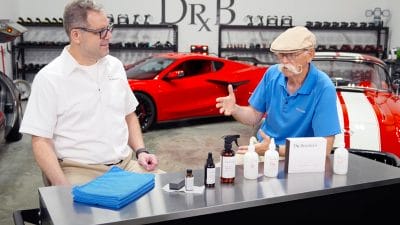


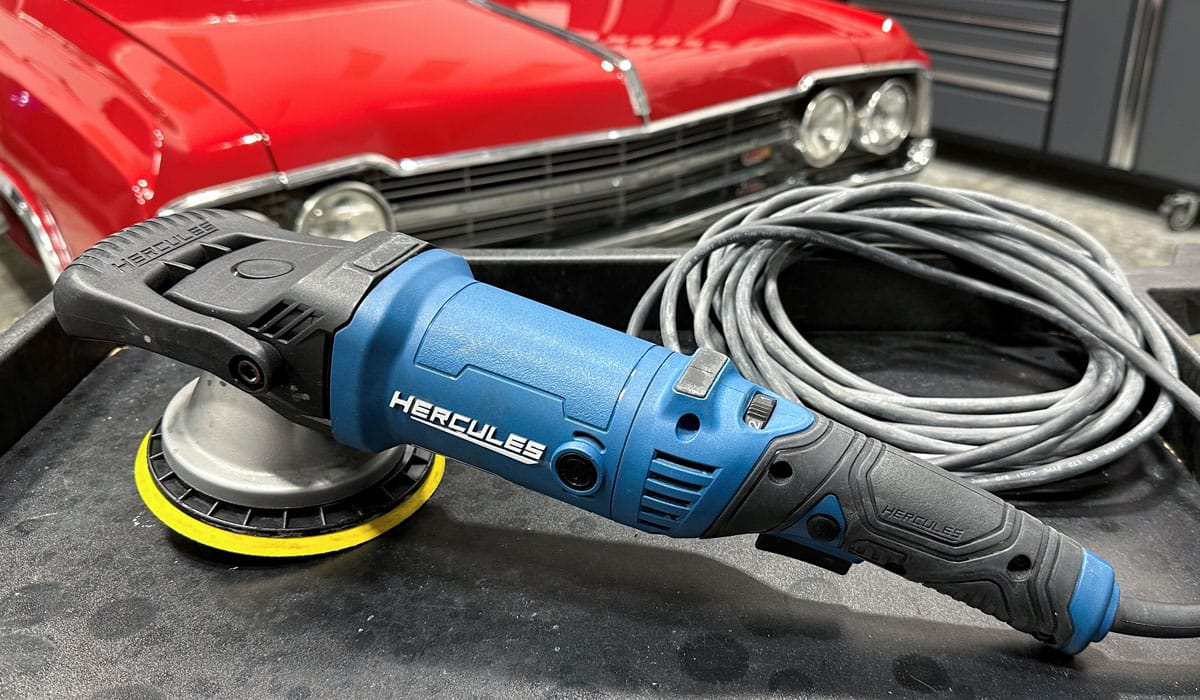
The right polisher depends on the correction needed and how much tool feedback you are prepared to manage. Free-spinning random orbitals are forgiving, gear-driven orbitals provide consistent rotation and strong feedback, and rotary polishers require the greatest control because they concentrate heat and cutting action.


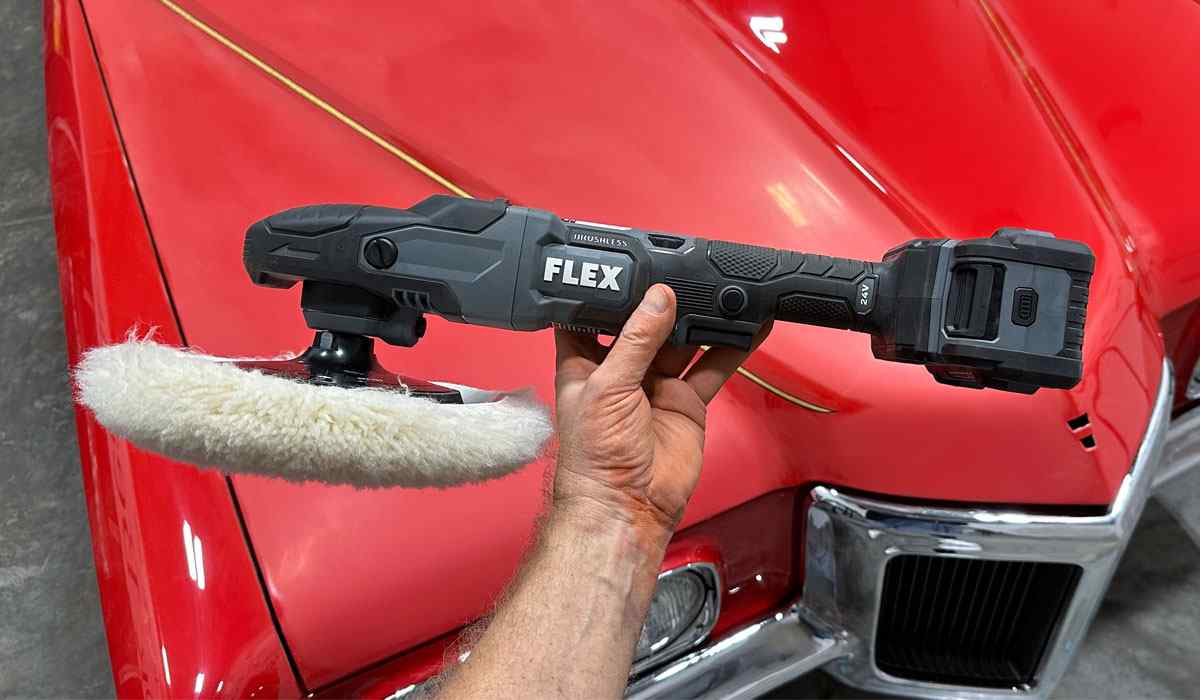
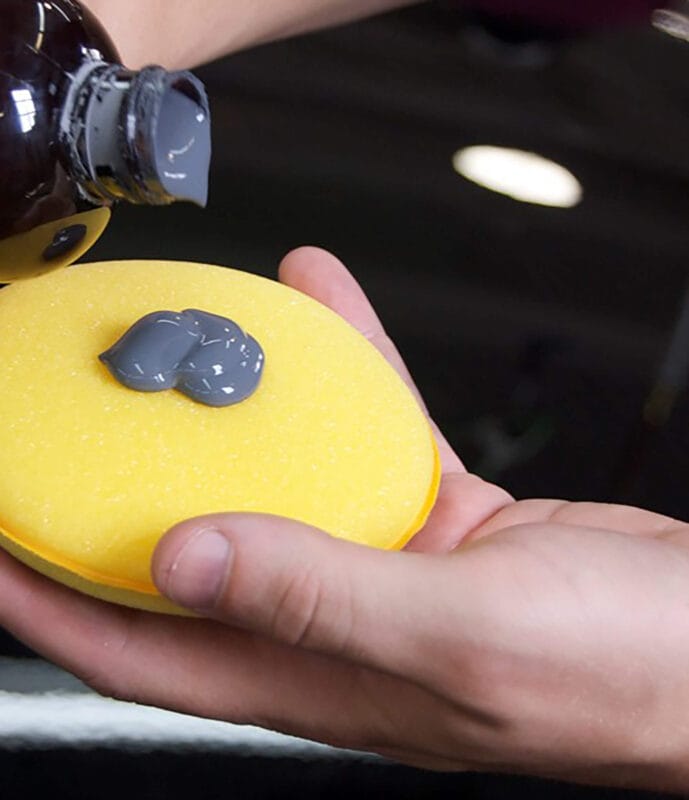
Correcting an entire vehicle by hand is slow, difficult and usually produces limited, inconsistent results. While hand polishing can improve isolated light defects, a machine polisher is necessary for larger areas or meaningful defect removal.
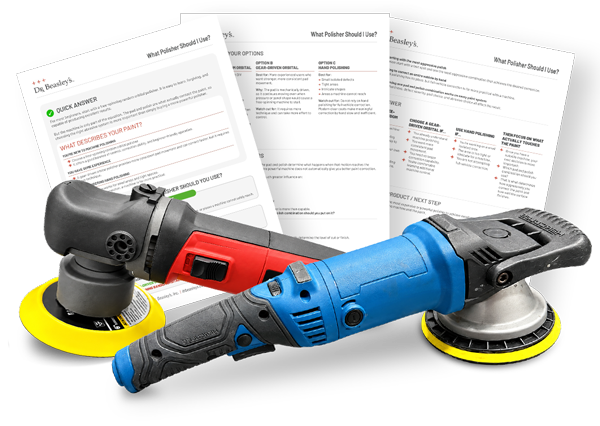
Free Printable Polisher Decision Guide
Use the What Polisher Should I Use? guide to choose a polishing approach based on your experience and the areas you need to correct. Follow the decision tool to:
 Choose between a free-spinning random orbital and a gear-driven orbital
Decide when hand polishing is practical and when you need a machine
Understand why the right pad and polish matter more than machine power
Free PDF · Printable · Delivered by email