Detailing Guides
Videos, articles, infographics and more on washing, polishing and ceramic coating.

Matte Finish Care
Articles and vides on how to maintain a matte finish car in its original appearance.



Some water spots are mineral deposits sitting on top of the paint. Others are bonded to the surface or etched into the clear coat. If washing and chemical removal cannot remove them, polishing may be required.

Start with the least aggressive removal method. Surface mineral deposits often wash or wipe away. Bonded spots should be treated chemically first. If the spot remains—or has etched an imprint ring into the clear coat—test a light polish before moving to anything more aggressive.

It is difficult to know at a glance whether a water spot is merely a surface stain or an imprint in the paint’s clear coat. Follow these diagnostic steps to make a clear decision.
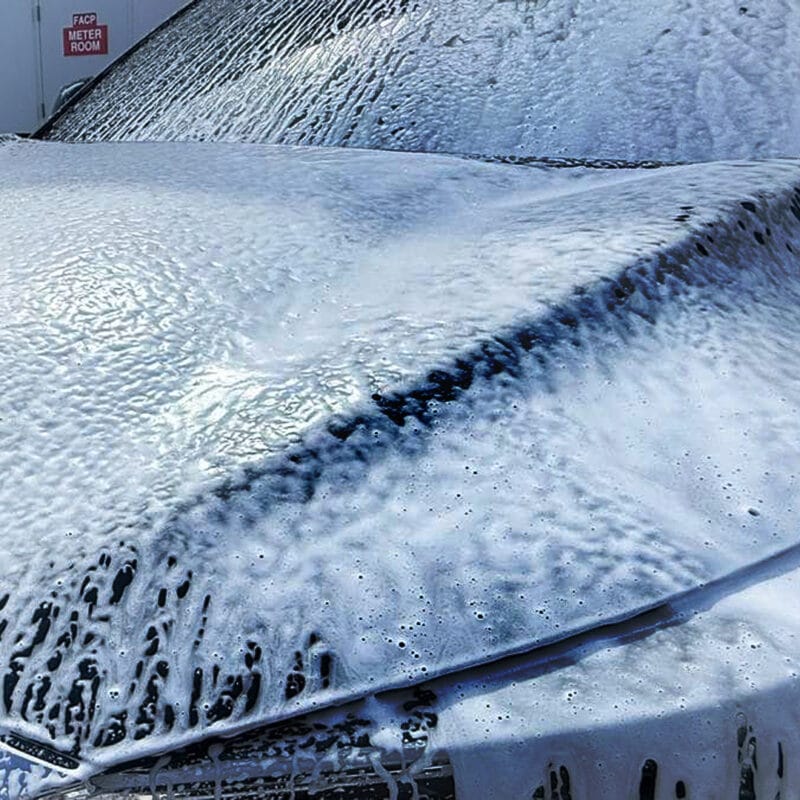
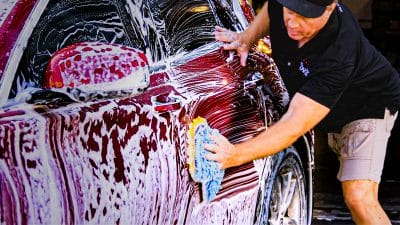
Water spots are often fresh mineral deposits that can be easily removed by washing or wiping with a spray detailer. Try this first before increasing your aggression level.
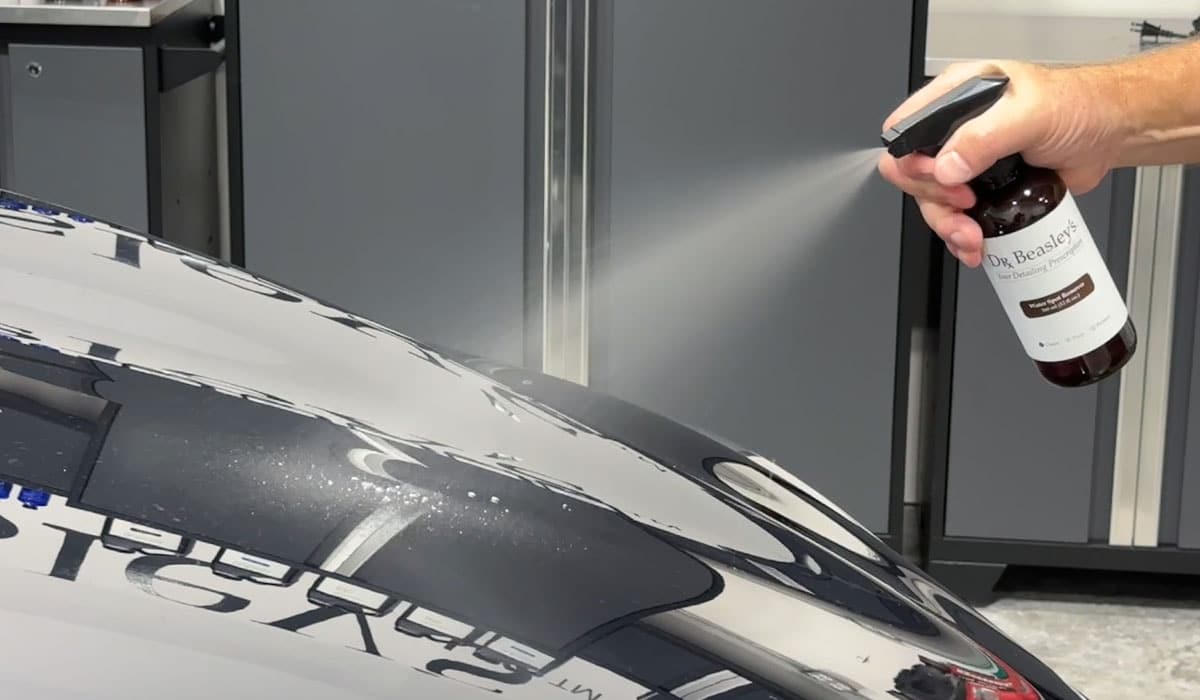
These spots are still on the paint, not in it. Try chemical removal first; if the spot will not come off through chemical means, light polishing may be required.
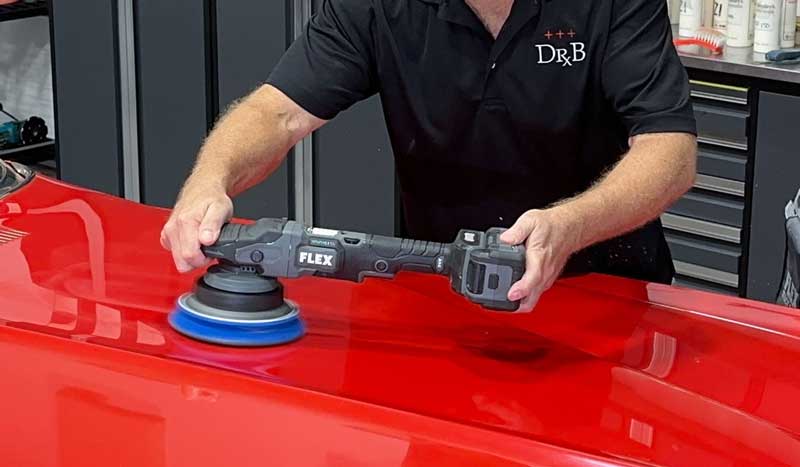
Polishing removes clear coat, so only attempt if chemical removal fails to dissolve the water spots, indicating the spots have etched the paint and formed imprints.

Free Printable Decision Tool
Use the Water Spot Polishing Decision Guide to determine where the defect sits in the paint system and choose the least aggressive process capable of removing it.
 Match the spot’s appearance and behavior to the likely type
Choose between washing, chemical removal, polishing or compounding
Test the least aggressive approach before removing more paint than necessary
Free PDF · Printable · Delivered by email