Detailing Guides
Videos, articles, infographics and more on washing, polishing and ceramic coating.

Matte Finish Care
Articles and vides on how to maintain a matte finish car in its original appearance.
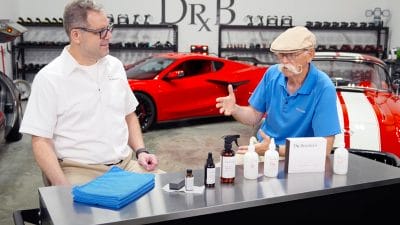


For routine grime, fingerprints and interior haze, use an ammonia-free automotive glass cleaner with a dedicated glass towel. Bugs, sap and bonded contamination require dedicated solutions.

Automotive glass cleaners formulated without tint-damaging ammonia will handle most routine dirt and film, but some messes may require a more dedicated cleaner. Identify what is on the glass first, then choose the least aggressive product capable of removing it.
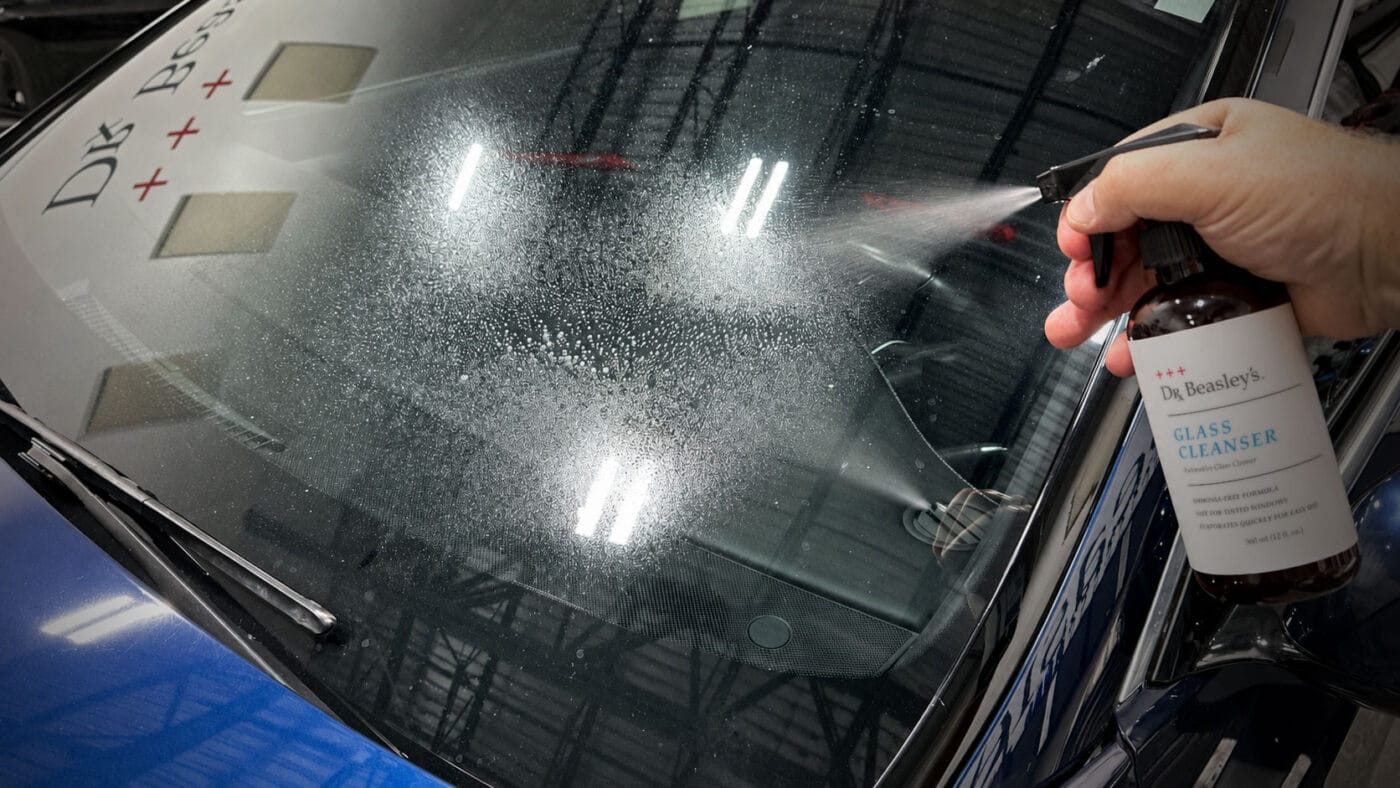
Even the best automotive glass cleaners can’t take care of everything. For certain kinds of contamination, you need a dedicated cleaner that can loosen or dissolve the specific substance.
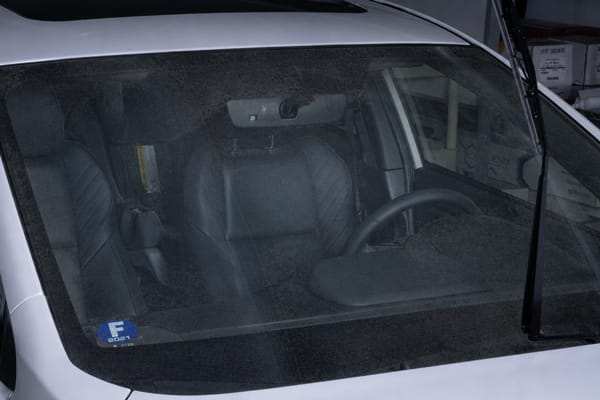
Everyday Dirt, Smudges & Film

No specialized cleaner required. Use for dust, fingerprints, fresh road film.
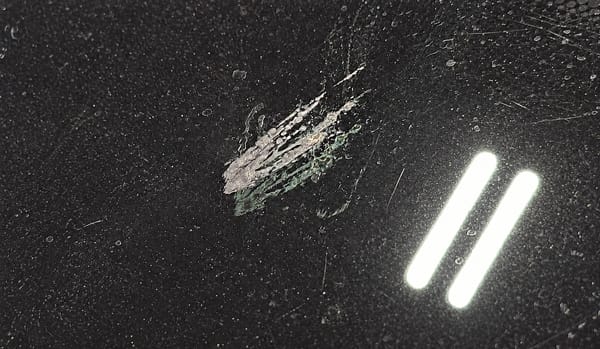
Insect Remover Spray
Breaks down organic residue so dried bug remains release more easily.
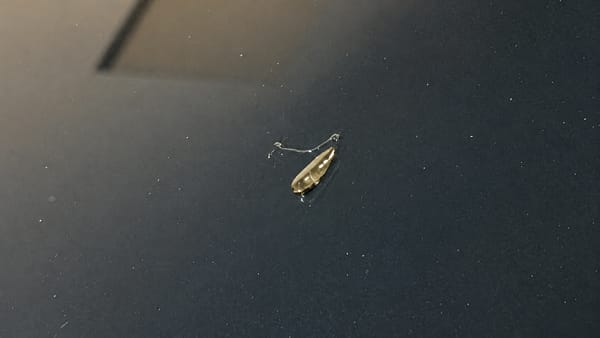
Tree Sap & Sticky Residue
Dissolves sticky contamination that ordinary glass cleaner may leave behind.
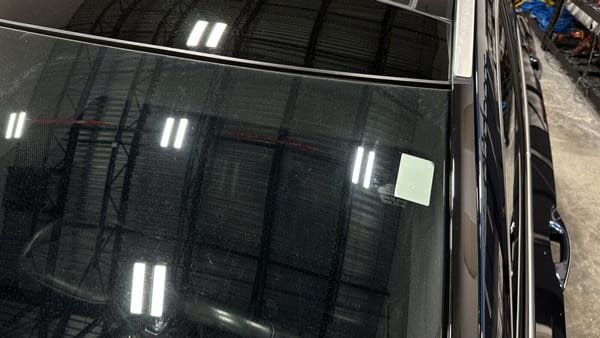
Rough, Bonded Contamination
Removes raised contaminants such as overspray and industrial fallout after ordinary cleaning fails.

Free Printable Decision Tool
Use the Windshield Cleaning Decision Guide to identify what is on the glass and determine whether you need cleaner, clay or polishing. This guide will help you:
Identify whether the problem is on the interior or exterior
Match the contamination to the right cleaner or tool
Leave with a clear recommended next step
Free PDF · Printable · Delivered by email