


Think of the last time you drove behind a truck on a wet winter road. A burst of dirty road spray hit your windshield, so you turned up the wipers and used more washer fluid. That makes sense. You needed a clear view, and that’s what the wipers are for.
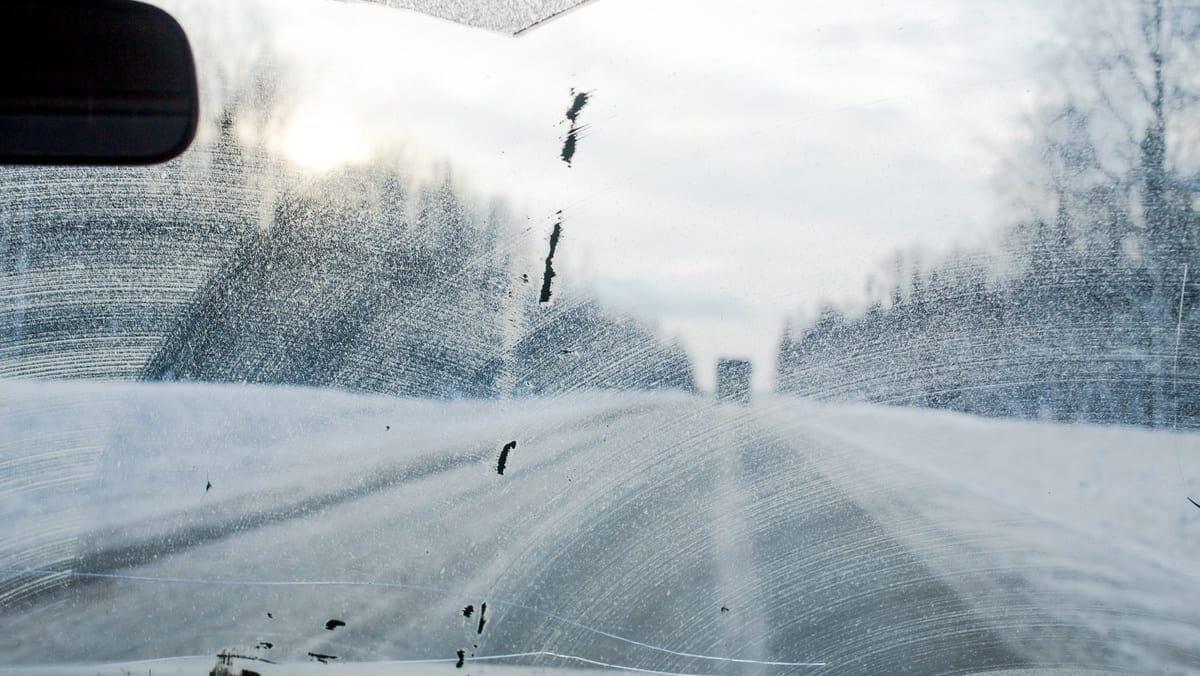
But how well they clear the glass also depends on the surface they’re working across. If there’s road film on the windshield, the blades can just move it around. Now you’re looking through cloudy, streaky glass instead of getting the clear view you need.
That’s why I would prepare and protect the windshield before winter rather than wait until it becomes difficult to see through. Clean glass gives you a better starting point. A windshield ceramic coating changes how water interacts with that surface and makes it easier to maintain through the next round of rain, snow and road spray.
The more often the windshield gets covered, the more useful easy cleanup becomes.
What a Coating Changes at the Surface
Water behaves differently depending on the surface it lands on. On a surface it wets readily, it spreads. On a hydrophobic surface, it tends to gather into droplets instead. A coating changes the surface chemistry so water is less inclined to spread across the glass.
That is the job of Glass Serum. We use it to create an intensely hydrophobic protective layer on exterior automotive glass, helping rain and snow move off the windshield and making contamination easier to clean away. The benefit isn’t simply seeing water beads. It’s helping that water leave the surface.
Think about the difference between water spread across the windshield and droplets that release readily. Both still need to be cleared, but the surface behaves differently. The coating helps with that release; your wipers handle whatever still needs wiping.
Why That Matters More in Winter
On a wet winter road, cleaning the windshield once may only get you as far as the next vehicle. Melting snow and traffic keep sending dirty water back onto the glass. You clear it, drive a little farther and get another layer.
That repeated exposure is why glass protection becomes especially useful in winter. You’re preparing a surface that will need attention again and again. Making each cleanup easier matters when the glass rarely stays clean for long.
I would also check the equipment working across that surface. Worn blades and an empty washer reservoir can undermine an otherwise good glass-care routine. Before winter, check the defroster, replace worn blades and fill the reservoir with winter washer fluid suitable for the temperatures you expect.
Three Winter Problems to Approach Differently
1. Road Spray That Leaves the Windshield Cloudy
You use the washers, the wipers make a few passes and the glass still looks hazy. The natural response is to keep wiping. But if the problem is a film on the surface, more passes may simply spread it around.
When the car is parked and conditions allow proper cleaning, remove that film. Start by washing or rinsing away loose grit so you aren’t dragging it across the windshield with a towel. Then use Glass Cleanser to clean the glass.
Glass Cleanser is our ammonia-free cleaner for road film and other grime on automotive glass. This is the cleaning part of the process. Glass Serum provides protection afterward, helping make the next cleanup easier.
You need both jobs done properly. Applying a coating doesn’t replace removing the contamination already there.
2. Snow That Accumulates Overnight
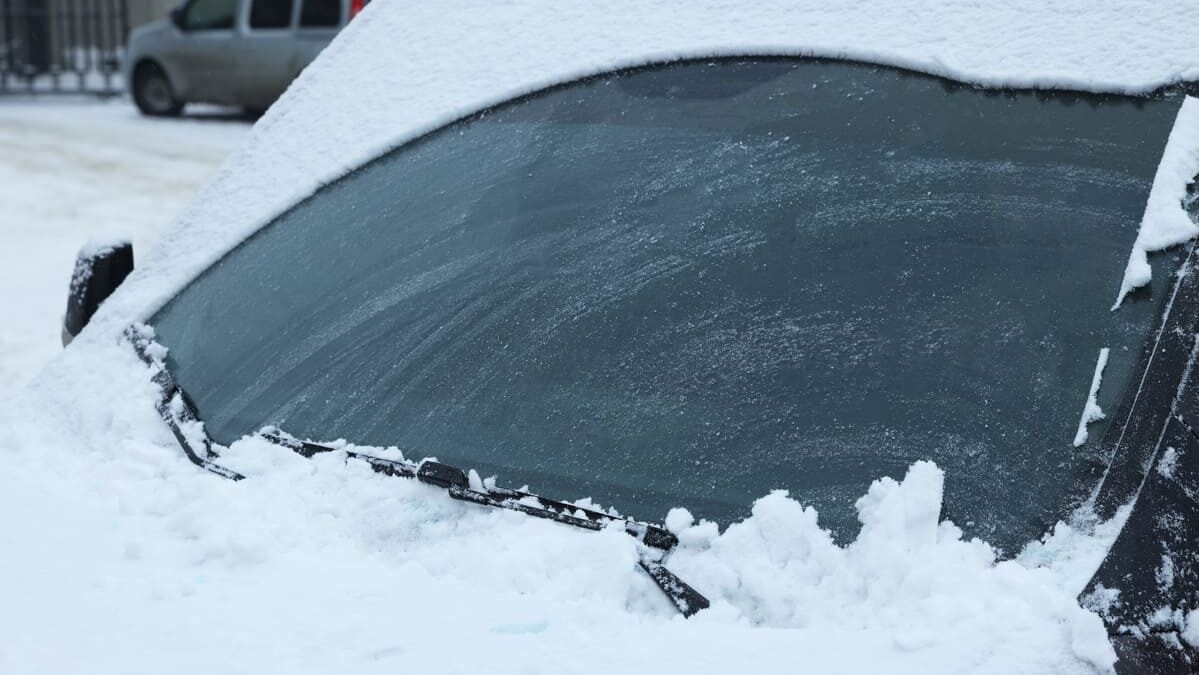
You come outside in the morning and find the windshield covered in snow. When you’re running late, clearing it can feel like the longest part of leaving the house. Protecting the glass beforehand can help make that job easier.
Glass Serum helps snow slide off the surface. That may make loose accumulation easier to brush away and shorten the cleanup, although the result depends on the snow and whether it has frozen onto the glass. Loose snow and a layer of bonded ice are different removal problems.
That distinction matters. A water-repellent coating doesn’t prevent the windshield from freezing, and it doesn’t melt ice. If the snow has an icy layer underneath, defrost the glass and free any frozen blades before operating the wipers.
Use the coating to help material release. Use the defroster to deal with what’s frozen.
3. Spots and Wiper Marks That Survive Cleaning
You clean the windshield, dry it and still see the same spots or curved marks. It’s reasonable to assume you missed something. But before reaching for more cleaner, ask whether the mark is on the glass or in it.
Some contamination remains bonded to the surface after routine cleaning. Other marks are etching, scratches or wiper damage. Those problems may require correction rather than another wipe with glass cleaner.
That is where NSP GL and our Rayon Glass Pad become relevant. NSP GL is a corrective glass primer designed to address bonded contamination and defects such as water spots, etching and wiper marks. The Rayon Glass Pad works with it for glass correction, helping prepare a clearer surface for protection.
Preparation Determines What You’re Protecting
Start with Glass Cleanser. Shake it, apply a small amount and wipe immediately with a clean, dry microfiber cloth. Reverse the cloth and buff dry, completing one window before moving to the next.
Then inspect. If the windshield is clean and clear, you can move on to the coating preparation. If marks remain, identify them before choosing the next product.
For problems that call for NSP GL, follow the directions for the type of correction you’re doing. Surface contamination and defects within the glass require different approaches; sub-surface correction requires a machine. Inspect as you work, and get help if you’re unfamiliar with polishing glass.
My Process for Preparing a Windshield for Winter
I would work through it in this order:
- Inspect the Glass and Wiper Blades
Look for damage and check the condition of the blades. Confirm that the washers and defroster work, and fill the reservoir with appropriate winter washer fluid. Address equipment problems before expecting a coating to improve the view.
- Remove Loose Dirt and Clean the Glass
Wash or rinse away grit, then clean with Glass Cleanser and clean microfiber towels. Check both sides of the windshield. An interior haze can make you think the outside still needs work.
- Address What Remains
Decide whether you’re looking at remaining contamination or a defect. Use NSP GL and the Rayon Glass Pad when appropriate, following the correction directions. Have chips, cracks and uncertain damage assessed.
- Choose Suitable Application Conditions
Plan the job before freezing weather or use a suitable indoor space. Cold conditions can interfere with coating application and curing. If you’re unsure about the temperature for applying Glass Serum, check with us before starting.
- Follow the Coating Preparation Directions
The standalone Glass Serum directions call for an ammonia-free cleaner, followed by a wipe with one part isopropyl alcohol mixed with four parts water. The kit supplies Glass Coating Prep. Follow the instructions for the product and preparation system you’re using.
- Apply Glass Serum Evenly
Place several drops on the suede cloth wrapped around the foam block applicator. Apply in vertical lines, then horizontal lines to create crosshatch coverage. Allow a 10-minute dwell, then remove the excess with a clean, dry, tagless microfiber towel.
- Plan for the Time After Application
Wait one hour before driving and don’t wash the vehicle for seven days. Make room for those requirements before you begin. The final wipe is part of the process, not the end of every application requirement.
Protect the Glass Before Winter Arrives
A windshield doesn’t stay clean for long in winter. Road spray lands, the next vehicle re-coats it, and a night parked outside can mean snow to clear by morning. That constant cycle is why glass protection matters most this time of year.
Glass Serum helps rain and snow move off the windshield and makes it easier to clean. But protection is only as good as the surface under it. Start with Glass Cleanser to remove grime, then check for remaining marks. If you find any, correct them with NSP GL and the Rayon Glass Pad. Then apply Glass Serum to the prepared glass.
The goal is to make the next cleanup easier. Prep the glass now, and you’ll have less to fight when winter arrives.
Questions? Comments?
Email Us