


Last Updated July 8, 2026

Now follow me.
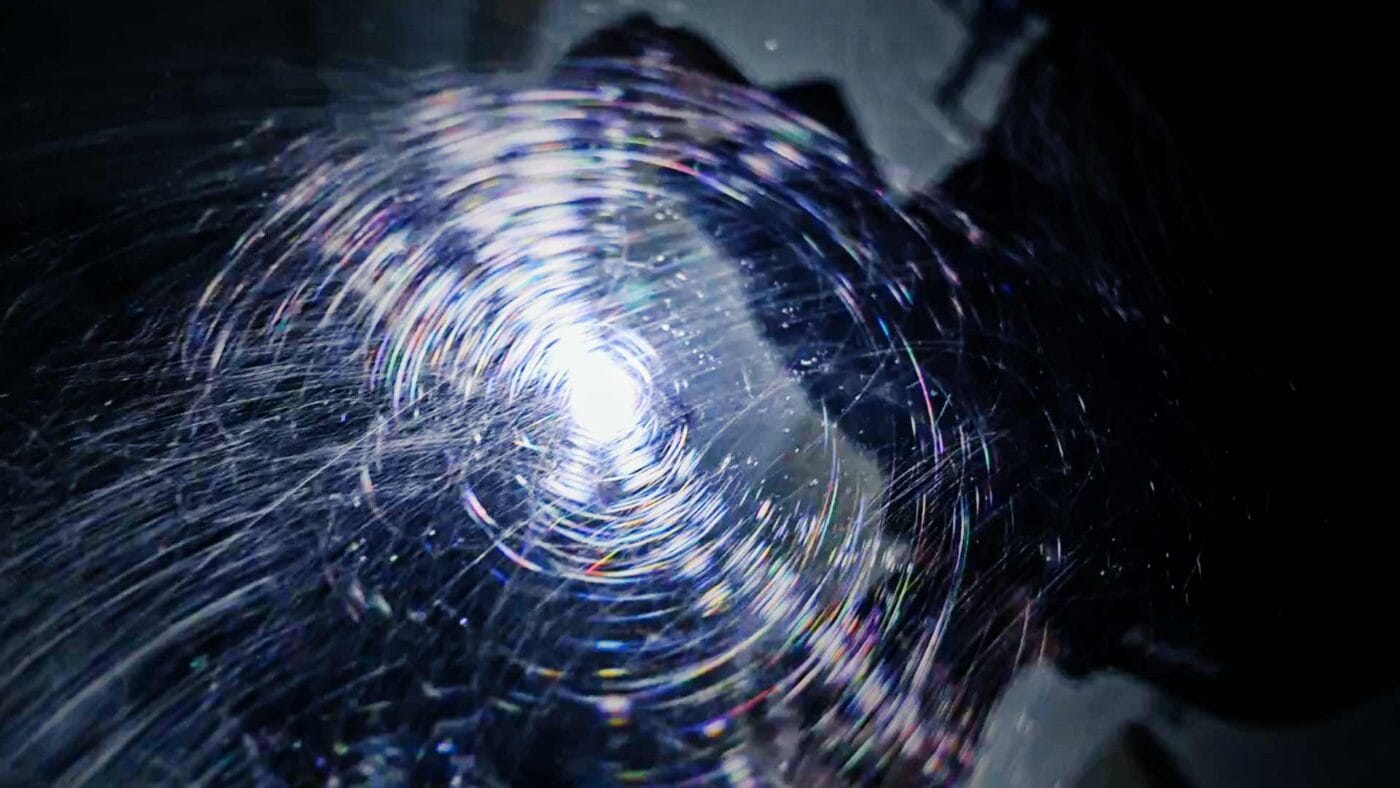
It takes hours to buff out a car. For example, this black 1957 Chevy. I have literally hours into perfecting the paint. It takes seconds to put swirls and scratches back in.
And the question is, how did the swirls and scratches get back in the paint after you remove them?
In just real simple terms, the way we put swirls and scratches back into the paint of our beautiful cars is by the way we hate to do air quotes, but here we go: touch them. Okay.
⚠️ Before You Start Polishing…
Paint correction feels intimidating until you understand the process. Our beginner’s guide to car polishing breaks down how to remove swirls and defects safely.
Go to Decision GuideSo then the question is, how do we touch them?
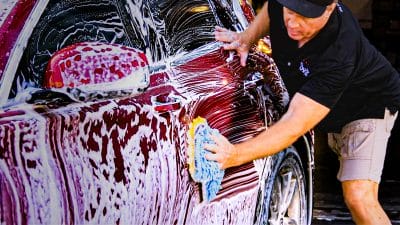
And the answer’s pretty simple. The primary way most of us touch our cars are by using three different very common tools: one, wash mitts when we wash the car; drying towels when we dry the car; and wiping towels anytime we apply or remove something off the paint.
And the key thing with these things is to keep these things from becoming contaminated over time. And it’s really common for this to happen.
What Contamination Looks Like on Towels
In fact, let me share a little story.
Every time someone brings me a car, just for fun, here’s what I do. I look behind the driver’s seat or in the trunk to see what kind of detailing supplies they’re using to maintain their car. But more importantly, I want to see what their towels look like.
This is a towel I removed from behind the seat of a recent muscle car I detailed. And there are all kinds of contaminants in this towel just the way I found it.
And if that owner were to take this towel and wipe this paint job with it, he would be putting swirls and scratches in because of the contamination. Not the towel, not technique—just the contamination.
So the question is, how do we keep the things that touch the paint from becoming contaminated?
And the answer is pretty simple. Really, what you need to do is you just need to have a process, or what a lot of people would call a best practice. Okay?
A Simple Process to Keep Towels Clean
And that would include things like this.
Down here is a clean bucket. It’s a white bucket so I can see if there’s any dirt in the inside. And as I’m working around the car, every time I get a towel dirty, to keep it from getting anywhere else, like on the ground, it goes in the bucket and it stays in the bucket till it goes to the washing machine and the dryer and the folding table.
So, you need to have a clean place to put your dirty towels.
And when I say dirty, I don’t mean dirty caked with mud and dirt off the ground. I mean dirty because it’s got spray detailer, coating residue, compound, polish residues—that kind of dirty, normal things. And that’s okay. We just don’t want to get any other sharp pokey things on there. So, we need a clean place to put it.
And another option is over here in the corner, I’ve got a chambered laundry hamper. Different slots or different containers for different types of towels that I use.
And once they get to there, I keep that clean, too. They stay clean till they go to the washer, the dryer, then the folding table.
Okay. So, that’s primarily really what it comes down to, is just keeping the things that touch the paint clean.
Choosing Wash Mitts That Actually Clean Out
Here’s a couple other things, though.
Here’s two different types of wash mitts. And I know there’s more on the market, but when it comes to a wash mitt, what I want to find is a wash mitt, and I want it to be safe to wash the car—safe and effective.
But more important, I want a wash mitt that when I put it in the wash machine, it gets agitated and comes out clean. And that’s why I like these chenille microfiber wash mitts. They got what I call the alien caterpillar worms.
They’re kind of, uh, really cool looking little things here. And not only is this safe for washing the car, but when you put it in the washing machine, these all kind of wiggle around and enables the dirt to come off.
So after I dry it and I look at it, it looks clean. I know it’s safe to wash the car again.
So, the type of wash mitt is important, but just as important as the type of wash mitt is: how well does it wash and clean?
And, um, old school wash mitts—like they call them a gold fleece wash mitt—the problem with these is over time is the fibers matt together. When this was brand new, it was very fuzzy, very soft. It felt so good.
Run your hand over it, you know it’s safe on the paint. But over time, all those millions of fibers have matted together. And now, I would not wash a black car with this mitt. I might wash, uh, the fender lips, but I ain’t going to go over the paint with something like this.
So, choosing the right wash mitt can also help you to avoid future swirls and scratches.
Drying Towels and the Plush Nap Problem
Now, when it comes to drying towels, uh, this is the Gauntlet. Uh, there’s a lot of these on the market. This isn’t my favorite. It’s just the one that I have here. It does work really well.
Um, I’d always recommend getting the smaller sizes versus the really big sizes because they’re easier to manage, and because when you’re going to wipe the lower panels, if you’ve got a big long big towel like this, it’s really easy for them to drag across the ground as you’re wiping the lower panels of the car.
Now, they’re contaminated with the things you don’t want on them. So, a little bit smaller than the size I have here.
But one of the things all these microfiber towels have in common is they have this very plush nap. The fibers in this case have a loop to them.
And what happens if a stick gets on here, it gets caught in the loop. Then when you wash it, it don’t come out. Then the next time you dry the car, you put a scratch in.
So you need to—these are, I love these towels, but I just tell people if you’re going to get a drying towel like this, it’s got this very plush nap, you’ve got to do everything you can to keep it from becoming contaminated.
So that’s something about the drying towels.
Microfiber Towel Weaves That Trap Contaminants
Now, here’s I think three or four different types of microfiber towels. Let me just kind of share something about microfiber towels.
Most of the time if you see a video on the towels, it talks about the blend 70/30, 80/20, all the weight, the GSM, all that stuff. Let’s forget all that stuff. Let’s just look at the shape or the design of the towel.
This—this is a fuzzy or a fluffy towel. People love these. They run their hand over it. They feel so soft. They love them. And they are great for working on car paint.
But the problem is is you’re back to this big tall fiber, uh, fingers here. And if you’re not careful, you can get contaminants into here that you can’t see. Then they, they, they bind in there.
So when you wash them and dry them, they don’t come out. Then you’re back to rubbing the contaminants over the paint next time you use one on a car.
So these are great towels, but if you’re going to have these, you really got to put into practice things to keep these strings from becoming contaminated.
Uh, this has the same type of weave on both sides. And it is a—it’s—a nap or a loop. It’s a loop of microfiber. And I actually really love these towels.
Uh, but in the same way that you can get a contaminant in the looped fiber on this drying towel, you can get a contaminant shoved in here. And it kind of traps it onto the cloth. So when you wash it, it doesn’t come out. When you dried it, it doesn’t come out.
And if you don’t inspect your towels, you might not see it. Next thing you do, you run it over the paint, scratch the paint.
So again, another good—this is a good quality towel because it’s got a short nap or a short, uh, loop. It’s got a little—it’s not real long and big, making it out there so things can get in there and get wedged and stuck in there.
Uh, these are actually two Rupes towels, and, um, I have the white one, too.
And what I like about this is it has a flat weave. Both this yellow one and this blue one, they have a flat weave. And for the most part, there’s really no place for any contaminants to, you know, get into it and lodge without you being able to see it or feel it.
So any kind of towel with a short or flat weave becomes a very safe towel just because it’s harder for it to become contaminated.
Okay, so that’s a little bit about towels and wash mitts.
Washing, Drying, Inspecting, and Storing Towels
Um, then you need to have a process and control. So here’s my normal process.
I put my dirty towels in something clean to keep them from getting any more dirty until I can wash and dry them and inspect them.
Then they go right into the washer. I use a quality microfiber laundry detergent.
Then from there they go to the dryer.
And then after the dryer, I’ve got a table over here next to the washer and dryer, and I clean it usually with glass cleaner or prep wash. I make sure it’s clean. And then the clean dry laundry comes out onto it.
And that’s where I start folding and inspecting.
And this is something most people I don’t think they do enough of.
And that is: when a towel comes out of the dryer and you’re folding them, you want to lay this thing out flat. You want to look at it with your eyes, but you also want to run your hands over it because a lot of times your sense of touch can detect something sharp and pokey embedded in the weave that your eyes don’t see.
Tweezers for Embedded Debris
And then what I like to do is I have a collection of tweezers here. I got this huge humongous tweezer. I’ve got this dainty little tweezer.
And my favorite is this one my wife gave to me. It’s from Revlon, but it’s got a nice flat edge. And I just seem to be able to pull things out better with this one.
But it’s a good idea to have a set of tweezers around so when you inspect your towels, you inspect them visually and you touch them and feel them with your hands to make sure there’s no hidden contaminants that you don’t see.
Because if you don’t see them, start wiping over the paint, you put swirls and scratches back into the paint.
So, it’s really important to have a process and control to keep your dirty towels clean until you wash them, wash them, dry them, inspect them both visually and tactically, and then have a clean place to store them.
We have, um, we have NewAge cabinets over here. And interestingly enough, we took clear plastic and taped off the vents so air can’t travel in and so dust can’t travel in and get on my clean towels.
You don’t have to do that, but that’s how OCD I can get about keeping my towels clean.
Pre-Inspect Towels Before You Use Them
So, here’s some more things you can do just to help avoid putting swirls and scratches back into the finish on your car.
And a lot of people don’t inspect their towels when they come out of the dryer. It’s like an extra step. It takes time.
Um, I find it’s a timesaver, personally myself. But the other option would be to fold them and put them away, but then before you use them, pre-inspect them.
In fact, pre-inspect like a dozen towels all at once. So, you have a large quantity you can just go to and grab and you have confidence that they’re clean and uncontaminated to start wiping off paint.
So, that’s one thing. Pre-inspect the towels before use.
Grit Guards in Every Bucket
The next thing is, um, use grit guards in all your buckets.
So, when you’re washing, this is a really simple but genius design. My good friend Doug Lamb invented these.
And all this does is got these veins that are 2 inches tall. They put this grill two inches off the bottom of the bucket. And the theory is is you take your wash mitt—and most people don’t do this the right way.
But you don’t put your wash mitt in the water, swish it around. You can do that, but the idea is to put it down here and scrub it against that grill. It’ll agitate the fibers so the dirt will fall down and get trapped below these veins here.
Uh, but I keep a grit guard in my rinse bucket, my wash bucket. I actually keep one in my dirty towel bucket. That way, if any dirt gets in there and gets below the grill, it isn’t on my microfiber towels.
Okay, so that’s another thing: grit guard in every bucket that you use.
The Multiple Wash Mitt Method
Okay, the next thing is the multiple wash mitt method.
So last summer we made a video, and in that video I’m washing another black car I detailed. It was a Studebaker Avanti, single stage black paint, very soft.
And you—the question became, well, how can the owner keep this up?
So what we said in that video: instead of using one wash mitt, use the multiple wash mitt method.
And so that means, yes, you got to start out investing in some wash mitts. I’d say anywhere from six to a dozen.
And, uh, things like this cost anywhere from 10 to 20 bucks. But the thing is is they don’t really wear out. You get a lot of use out of them. So, it’s a good investment.
And kind of back to what I said at the beginning of this video: it takes hours to buff out a car. It takes seconds to put swirls and scratches in because your mitts are contaminated.
Now think about it. If most people when they wash their car, they do wheels and tires first, then they go to the roof and work their way down.
So, say you wash the roof. You pull off some any kind of contamination: dirt, dust, bee pollen, uh, sticks and leaves, bird droppings.
If you take that same mitt and you go down and wash the hood, now you’re going to take all that junk and push it over the paint, potentially putting swirls and scratches in.
A better idea would be to wash one panel with one mitt, put that mitt in your clean bucket, have that clean bucket out there when you’re washing your car, and then switch to another mitt.
And that way you can avoid this whole topic of cross-contamination. Instead of removing the contamination off one panel and then rubbing it all over the next panel, you just change another mitt. You completely avoid cross-contamination.
And that’s a powerful way, but it does require the investment of buying a bunch of wash mitts. And of course, you got to keep them clean and have a place to store them.
Uh, but it is, in my opinion, probably the safest way to wash a black car or any car with a nice finish.
Pre-Wash and Foam Before Touching the Paint
Okay. Then pre-wash and foam.
So again, I’ll put a link to both the multiple wash mitt method video in the description below and I’ll also put a link to this video, and it’s on using foam guns and foam cannons.
So in case you don’t know, a foam gun attaches to a garden hose. A foam cannon attaches to a pressure washer.
They both do the same thing. They create a lot of foam, but just one is designed for a garden hose, the other’s for a pressure washer. You can’t really interchange them.
And of course, the pressure washer creates a lot more foam just because of the pressure, the pressurized foam guns or foam cannon system.
Uh, but the idea being is to, before you do anything else, you can blast all the dirt off with a strong spray of water.
Then you can foam the vehicle. And the idea behind that is foam offers dwell time. It kind of clings to the vertical panels.
And let that dwell, but don’t let it dry.
And then the cleaning agents in the soap—you know, most soaps have something in there that dissolves road film, greasy oil, traffic film, things like that.
It’s sitting there going to work dissolving whatever crusty paste is on there from, you know, however long it’s been since you wash the car.
And then come back and rinse that off before a wash mitt ever touches the paint.
You can easily remove over 50% of any built-up dirt, dust, pollen, anything loose on the surface. And that just makes for a much safer wash.
Okay. And then if you have a pressure washer, having that increased pressure enables you to blast the stuff off again without washing it or doing what’s called a contact wash—actually touching the paint.
Get the dirt off before the wash mitt touches the paint.
Um, anyway, so that’s some of the ways you can, um, get a car clean and avoid swirls and scratches.
Leaf Blowers for Maintenance Washes
And then some other things you can do when it comes to drying the car is to use a leaf blower.
I’ve got the EGO right here, or whatever your favorite one is.
The thing about this is is, um, leaf blowers work good for removing water off of painted surfaces that have something on them that creates surface tension.
So, a traditional car wax, a synthetic paint sealant, a spray-on wax, a spray-on coating, or an actual ceramic coating.
If the water’s beading up, it’s going to want to fly off. If it’s laying flat, it’s just going to kind of move it around.
Uh, so, a lot of the car washes I do are what’s called a prep wash. I’m getting the car ready to detail, and that means it’s probably been neglected so it doesn’t have anything on it. So a leaf blower pretty much be useless.
But if you’re doing what’s called a maintenance wash, so down the road this thing needs to be washed, um, then a leaf blower is going to work very well because this has a ceramic coating on it. So water’s just going to want to blast off.
So the thing about this is if you got high surface tension, so you got water beading up, it’s going to work great for removing the most water off the car.
But if you don’t—you’re just doing a prep wash—it still works really good for pushing water out of emblems, mirrors, tail lamps, headlamps, gaskets, any of the cracks and crevices where water can build up so it isn’t dripping later on when you’re working on the car.
Uh, anyway, so love the leaf blower, but it does have its limits. It’s really only good for cars that have something on them—wax, sealant, or a coating.
The Blotting Method and Drying Aids
Uh, then the blotting method.
So this is another way to avoid swirls and scratches. So, most people—and by the way, when I’m done with the leaf blower, I will usually take a drying aid and this, uh, the Gauntlet here and give it a final wipe.
Because if you don’t, here’s what’s going to happen: the leaf blower does remove the mass water off the car, but it tends to leave little tiny water marks everywhere if you don’t do the wipe.
So, then when you look at it later on, it’s dry. You’re going, “Oh, look at this. Leaf blower didn’t work.”
You know, leaf blower worked. It’s just it’s not a perfect solution for a pristine finish.
Combining the leaf blower, a drying aid, and a microfiber drying towel is a really good solution to get that car completely clean, no water marks.
So, that’s another thing.
But, but when you do go to use it, uh, here’s my point. There’s something called the blotting method.
So, what most people would do is they would take this and of course then they would just wipe the finish to get the water off.
But instead, what you could do is you could just lay it down flat, let it absorb the water, and lift it off, or give it a gentle wipe.
But you’re just pushing the towel less over the finish because you know if you never touch the finish, you won’t put a scratch in.
It’s only when we start to touch it that we put the swirls and scratches.
And so the least amount of touching also means the least amount of swirls and scratches.
So the blotting method over the wiping method.
Uh, let’s see what else do I got here.
Use a drying aid. A lot of those on the market. Dr. Beasley’s—we have them. Find whatever your favorite one is, and you can either mist it onto the car or mist it on the drying towel as you’re removing the water.
Shade, Wind, and Washing in the Desert
And then this is kind of common sense. Um, always wash in the shade.
Uh, the sun is just going to make everything want to dry faster. If it’s windy, the wind can make everything dry faster. That makes for a more aggressive wash.
I lived in the Mojave Desert for a spell. And in the desert, it’s windy, so there’s desert sand always blowing around. And it’s also very hot.
So, I ended up washing—I had a black car at the time—and I would get up at like 5:00 in the morning. I’d be out there washing it at 6:00.
Couple things: one, no wind, low temperatures. So that’s how you wash a car in the middle of summer in the desert. You get up early.
Uh, so that’s just another little trick there.
Car Covers Can Scratch If You Don’t Keep Them Clean
And then I also kind of wanted to touch on car covers.
You know, I’ve detailed a ton of cars for people over the years. And one time I come across a guy had a ’50 like this. This is a ’57. He had a ’56 Chevy.
And he showed me all these scratches that were running across the roof line—so this way across the roof.
And I looked at him and I go, “Do you use a car cover?” He goes, “Yeah, it’s over there.”
It was over there piled up in a wad on the ground. Okay?
So, car covers are great if you buy a quality one. And you keep it clean.
So, if you’re going to use a car cover, you know, don’t just ball it up and throw it in the trunk or throw it in the bottom of the garage floor.
Have a clean place like a plastic tote. Keep it clean. Put your clean car cover in there till you’re ready to use it again.
And that’ll avoid putting scratches as you put that car cover on or take that car cover off.
Anyway, that’s kind of the some of the things that I would recommend to the guy that owns this car to try to keep it clean.
The Key Word: Uncontaminated
Most important is keep everything that you have that’s going to touch the paint. Keep it off the ground. Keep it clean. Keep it—the key word—uncontaminated.
After you wash and dry any of your towels, inspect them with eyesight and with a pair of tweezers to keep them—to enable you to pull things out.
A lot of times I don’t got no fingernails, so I can’t pull something I find that’s sharp and poking the weave. I got to grab a pair of tweezers to get out. So that’s why I like the tweezers.
I’m a speed typist. I type a lot, so I keep my fingernails short. I do not know how girls type with fingernails. It just—I don’t get it.
Uh, anyway, some tips to kind of help you keep a flawless finish flawless.
You know, it’s kind of like I said at the beginning: it takes hours to buff out a car. Takes seconds to put swirls and scratches in.
So then the key is how to avoid the swirls and the scratches moving into the future. It all comes down to how we touch the paint.
Hope you like this video. If you do, share with a friend, subscribe, and like it. Thank you for watching.
A Meguiar’s Story About Towel Inspection
Forgot something. A little story.
A lot of people know I worked at Meguiar’s for about 11 years, and part of that was at the corporate office where the training center was, and I was one of the head trainers there to teach all the car detailing classes.
And because of that, I was also in charge of all the laundry.
And what Barry Meguiar doesn’t know is that one of the things I did was I made sure every towel we put in our cupboards out there was clean and inspected, ’cause I wanted Barry to be able to go out and grab any towel out of that cabinet and wipe down any of his black cars.
His Mercedes, he’s got a ’57 Chevy, he’s got a GT40—they’re all black.
And it’s just something he doesn’t know I did. But I did that because I know that he might not have time to buff out his car, but he took very good care of them.
And that meant using things like a spray detailer or microfiber towel to get the dust off.
And I just wanted to make sure if he grabbed a towel, it met my criteria and it was clean so he could avoid swirls and scratches.
So there you go, Barry. A little something I did while I was there at the corporate office for you.
Questions? Comments?
Email Us