Author Archives: Jim Lafeber

Wheel Sealant, Brake Dust, Cleaning

What’s Wrong With Brake Dust?

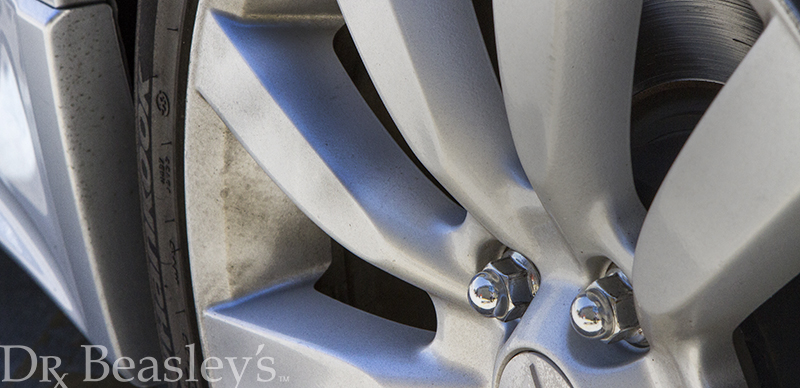
Brake dust is one of the most aggressive corrosives in the automotive appearance industry. Even if the rest of the car is clean, dirty wheels equal a dirty car. So what is it about brake dust that is so harmful to your wheels and what’s the best way to clean and keep your wheels safe? […]
Why Dr. Beasley's Doesn't Use Graphene

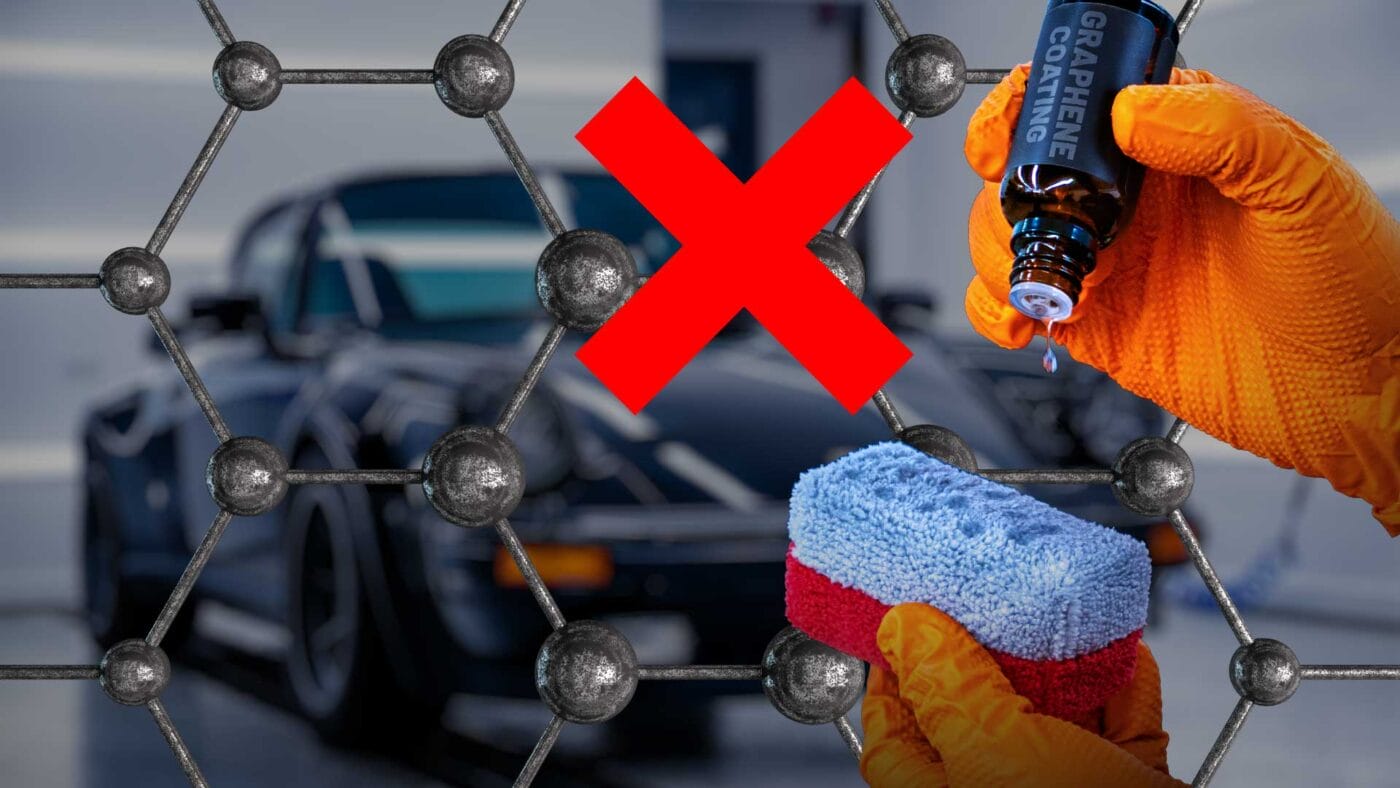
Why We Don’t Use Graphene in Our Formulas

Every few years, the detailing industry finds a new “game changing” feature for ceramic coatings. In the late 2010s, it was all about “9H” hardness. Now the new buzzword is “graphene”.  You see it on labels. You hear it in product launches. You read claims about “heat dissipation”, “anti-static behavior”, increased durability, superior protection.  So […]

Water Spots, Acid Rain, Paint

Water Spots Etching Your Paint…Why?

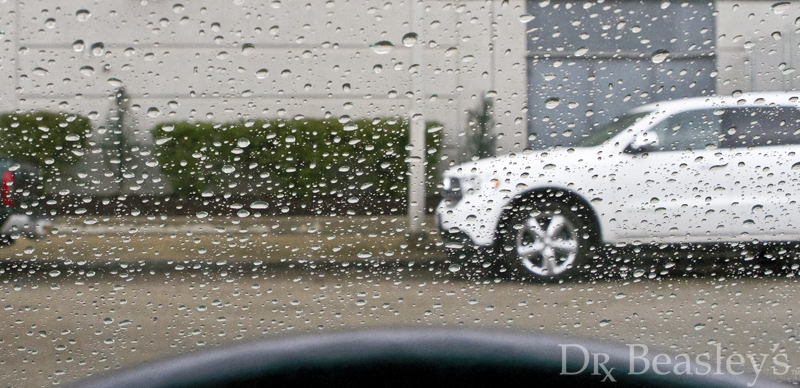
What the Heck is Going on in the Rain? Rainwater is not pure. It is naturally acidic, the result of water collecting on dust and smoke particles in the clouds. Comprised of water vapor and any number of contaminants like pollen, mold, bacteria, dust, soil, pollutants, plant parts, algae, and insect parts, these tiny particles […]

metal, chrome, polish, restore, rust

Metal Polishing: The Quick Guide

There is good news when it comes to polishing the metals on your vehicle. Most of it – like your tail pipe, wheels, exhaust manifold, outer panels, trim, and engine – is made of stainless steel. While stainless steel is rust and stain resistant, the chromium oxide and nickel finish on the metal is NOT. […]

Legend Prime PPF installed at Simon's in Chicago

Is Liquid PPF Ready to Stop Rock Chips?

This blog came from a real question. Aaron Kirk of Clean Me Mobile Detailing in Duluth, MN, one of our authorized detailers, is excited about the liquid PPF products showing up from a few manufacturers, and he asked for my take, given my science background: does this stuff actually perform like real paint protection film? […]

Bid Poop, Paint Etching,

Cleaning Bird Poop From Your Car: The Acidic Nightmare

It looks harmless enough, if not rather disgusting, driving along when a big splat of bird poop splatters all over the hood of your car. It looks terrible but you just drive through it not knowing how aggressive that powerful organic acid is when reacting chemically with your automotive paint. If you did, you would […]

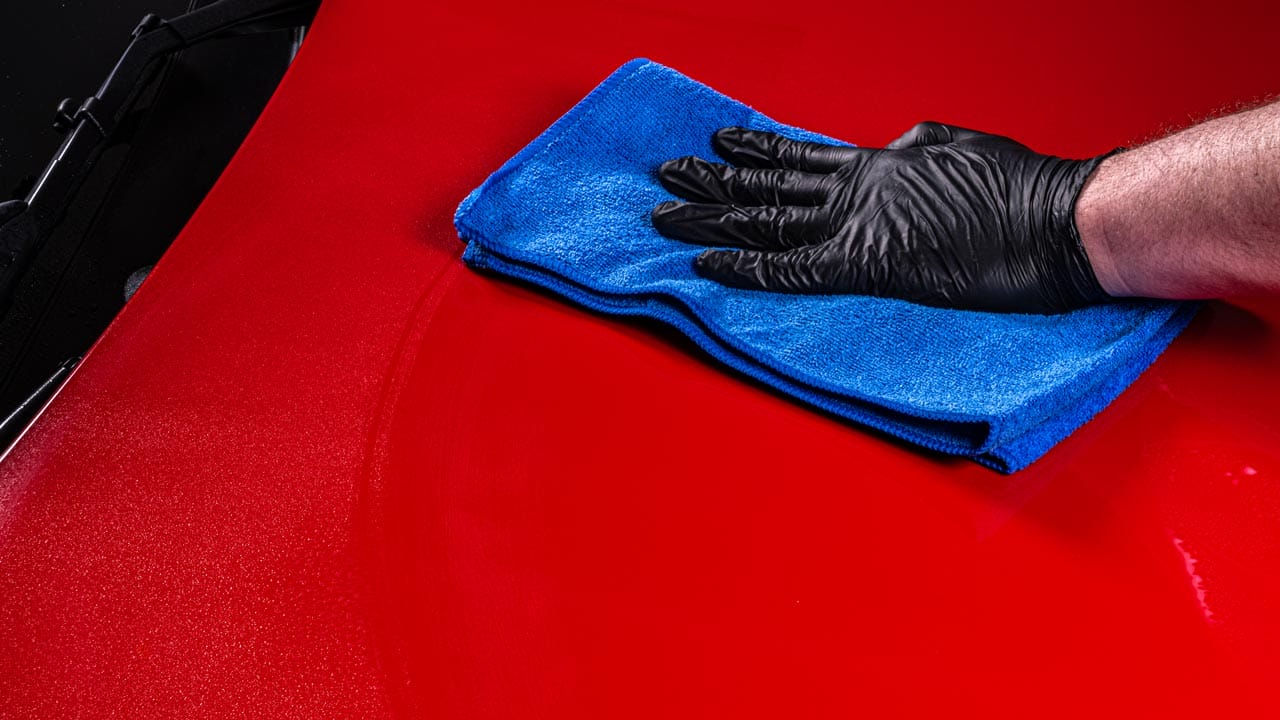
Wiping hood with waterless wash

How to Wash a Car Without a Hose (A Science-Based Approach to Avoiding Paint Damage)

Washing a car without a hose removes the single biggest safety mechanism in traditional washing: bulk water removal of particulate matter. When you eliminate that step, you are fundamentally changing the system. Instead of relying on water volume to carry contaminants off the surface, you are relying on: If those three conditions are not met, […]

Drying automotive paint with a microfiber towel

How to Dry Your Car (Without Scratching the Paint)

Drying a vehicle is often perceived as a quick, final step after washing with little risk.  It is not. Drying is actually one of the highest risk steps in the wash process if your goal is maintaining paint clarity and preserving the clear coat long-term.  Although they are often called “wash marks”, most swirl marks, […]

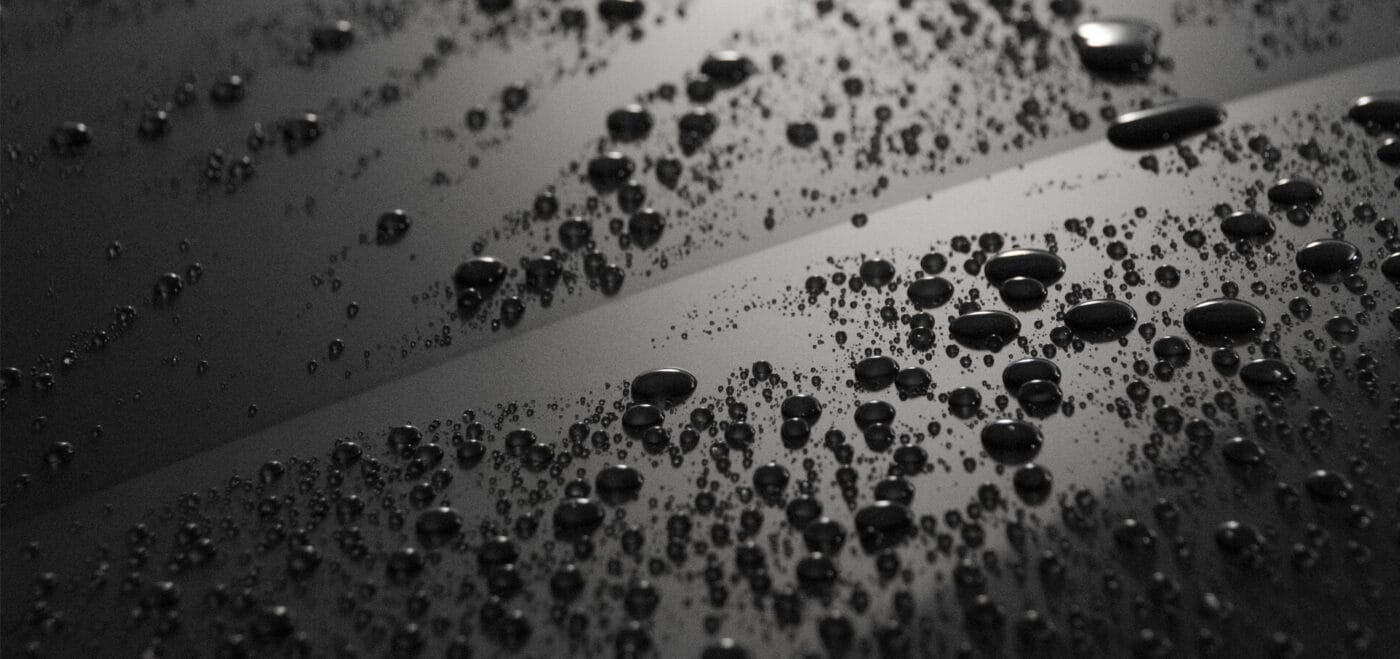
Close-up of water droplets beading on Lamborghini roof with matte paint coating showing hydrophobic protection performance

The Breakdown on Nano Coatings

UPDATED 11/16/2018 The perfect shine is the Holy Grail of the automotive appearance industry. For over a century, professionals have sought a magical solution—a long-lasting shine product that repels dirt, environmental contaminants, and rain so the vehicle’s paintwork has the best protection available. Something that would uphold a new car shine longer than waxes while saving […]

Swirls, Swirl Marks,

12 Tips for Preventing Swirl Marks

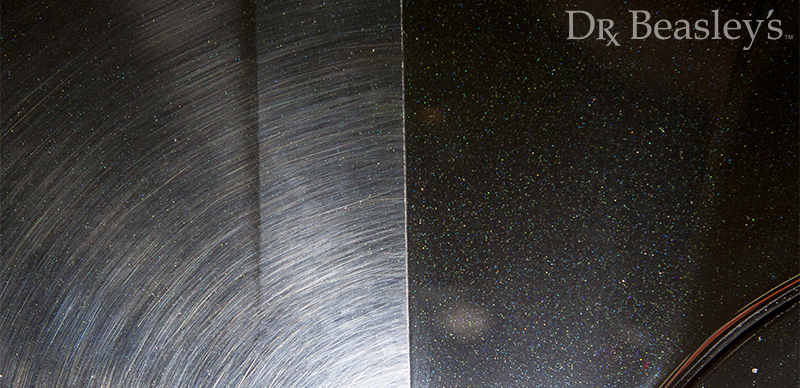
Removing swirl marks is a little like cleaning up after yourself, or at least cleaning up after someone else’s mess. Swirls may be the professional detailer’s most despised surface flaw because they are almost exclusively caused by the detailer’s polishing technique. Because they are less visible in the shade but spectacularly obvious in sunlight, even […]